
The Future of Satcom Ground Infrastructure
Digital Intermediate Frequency, often called ‘Digital IF’ or ‘RF over IP’, is a technology that takes the analogue RF signal and digitises it into binary code for transfer over Internet Protocol.
ETL’s Digital IF products sample analogue signals, encapsulate them as IP packets, transports them over Ethernet, and then reconstructs them at the receiving end. This new technology enables seamless, high-fidelity, encrypted signal transport of RF signals over IP for the first time in satcoms history.
Digitisation is a critical component of the industry-wide move towards a full virtualised satellite communications infrastructure. Where software-defined satellites are in development on the space side, Digital IF technology is providing the springboard for this evolution on the ground.
Learn more about Digital IF in our white paper.
Key Benefits
Resilience
IP-based architecture allows rapid signal re-routing
Virtualisation
Legacy hardware-based functions such as modems and spectrum analysers become Virtual Network Functions (VNFs), deployed within the cloud.
Security
Digital IF enables ‘behind the wire’ encryption, decoupling vulnerable antennas and personnel from the modem, reducing risk exposure.
Flexibility
Once the signal is digitised, it is modulation and encryption agnostic, and allows further signal processing once in the digital domain.
Signal quality
Digitisation early in the chain preserves signal integrity across distance, irrespective of how often the signal is rerouted or split.
The satellite communications industry is evolving.
The explosion of IoT, predicted to reach 75 billion devices, is increasing demand for scalable, efficient ground infrastructure. Alongside this, there is an increasing movement towards Ground Segment as a Service (GSaaS) models and a notable uptick in the number of mergers/consolidations happening within the industry; traditional satcoms is a CAPEX-heavy business activity in a world of increasingly lean business models. A virtual ground function would reduce CAPEX expenditure and increase agility, which may be necessary for business survival as organisations like Starlink continue to disrupt the market.
The DIFI Standard
ETL Systems is a Board-level member of the DIFI Consortium and has played a leading role in the DIFI Specification Working Group. The DIFI Standard aims to ensure that these next-generation Digital IF products are open and interoperable, maintaining market competitiveness and fostering future-proof technology development.
Thanks to extensive research and development over recent years, this is an increasingly realistic prospect. DIFI members are continuously shaping the standard to ensure interoperable, future-proof, reliable products. This collaboration, cemented by the annual PlugFest meeting, is crucial for achieving true interoperability in digital ground segment technology, enabling a seamless and efficient digital future for satellite communications.
When selecting VNFs, ensure that the manufacturer you choose strictly follows the DIFI Standard to ensure compatibility and seamless integration within your system. By confirming their adherence to this standard, you can ensure a smoother transition and interoperability with Digital IF technology, maintaining your ability to benefit from competitiveness within the market.
Use Cases
Virtualisation
Deploy digital modems in the cloud, supporting new or multi-waveform operation and remote signal monitoring.


Diversity
Protect against environmental challenges like rain fade or signal degradation, even over vast distances; as satellite frequencies continue to get higher and therefore require greater distances between sites, this will be a critical element to consider.

Intelligence
Geographically distance system elements without compromising signal quality; only the antenna is required to be situated in a potentially hostile location, mitigating risk.

Virtualisation
Deploy digital modems in the cloud, supporting new or multi-waveform operation and remote signal monitoring.
Diversity
Protect against environmental challenges like rain fade or signal degradation, even over vast distances; as satellite frequencies continue to get higher and therefore require greater distances between sites, this will be a critical element to consider.
Intelligence
Geographically distance system elements without compromising signal quality; only the antenna is required to be situated in a potentially hostile location, mitigating risk.
Digital IF at the Network Edge
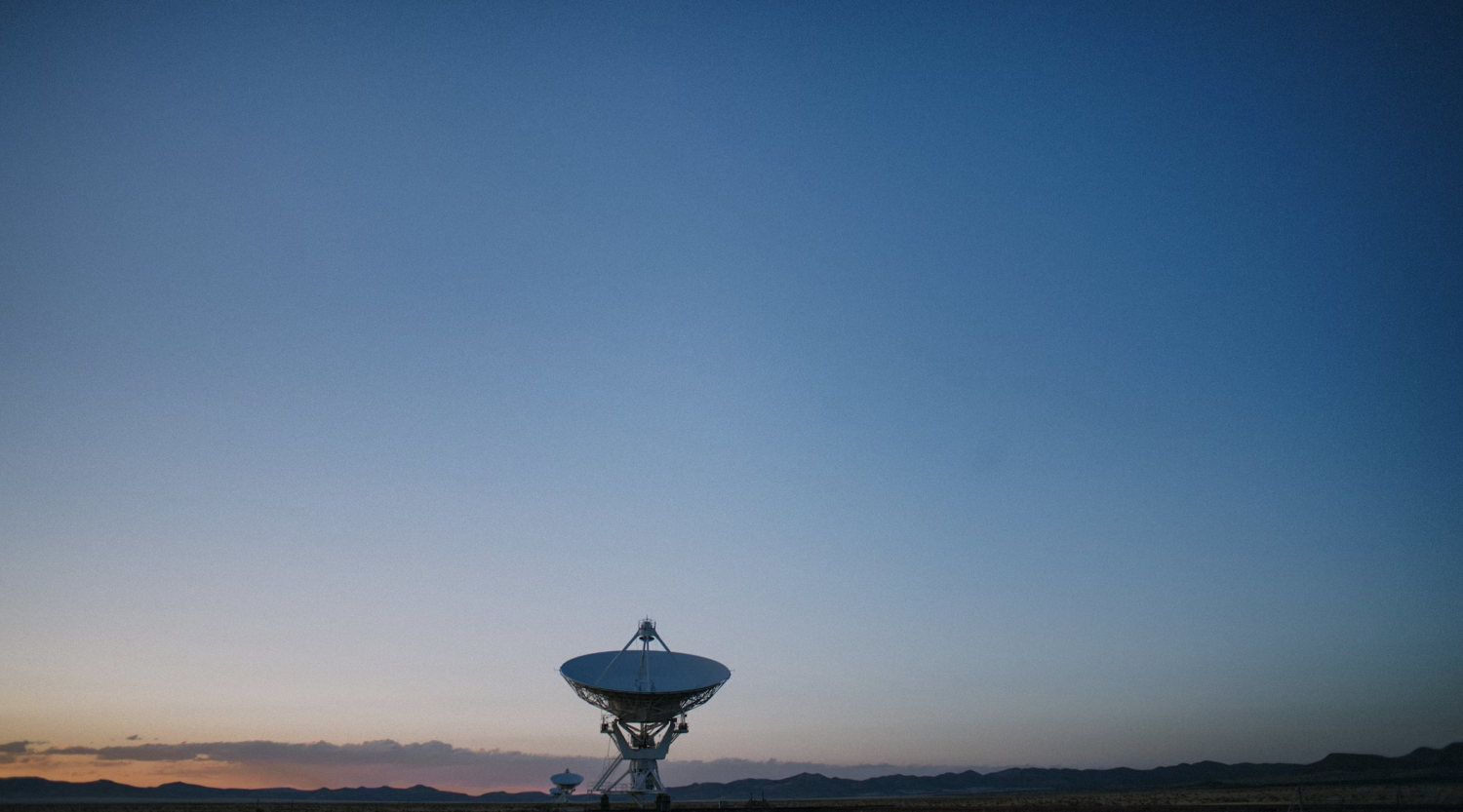
Until now, most DIF deployment scenarios have been focused on the gateway or control room; large installations with high-power, high-bandwidth infrastructure already in place, or achievable in the near-term. ETL Systems is working to push the technology further.
Making this technology future-fit means enabling true multi-X operation – waveform agnostic, multi-orbit, multi-constellation – across any network environment. To support tomorrow’s dynamic constellations, the ground segment must be equally agile and responsive. A static network can’t serve a dynamic space segment effectively.
Extending DIF to the edge brings this flexibility to the user terminal. It enables reliable, secure communication compliant with sovereign encryption protocols both on-the-move and at-the-halt, and will provide game-changing flexibility and speed in rapid-response applications such as disaster recovery. It also delivers a cost-effective and scalable upgrade/digital transformation path for small gateway environments, removing the need for resource-heavy infrastructure investment.
The Transition to Digital IF
Beginning the transition to Digital IF begins with evaluating and enhancing your current infrastructure. ETL’s modular approach facilitates this shift by integrating existing analogue equipment, such as matrices, RF over fibre, and frequency converters, with new DIF devices using the ETL GENUS system. This system’s flexibility ensures that analogue components can work seamlessly with digital ones.
Beginning the transition to Digital IF begins with evaluating and enhancing your current infrastructure. ETL’s modular approach facilitates this shift by integrating existing analogue equipment, such as matrices, RF over fibre, and frequency converters, with new DIF devices using the ETL GENUS system. This system’s flexibility ensures that analogue components can work seamlessly with digital ones.
Beginning the transition to Digital IF begins with evaluating and enhancing your current infrastructure. ETL’s modular approach facilitates this shift by integrating existing analogue equipment, such as matrices, RF over fibre, and frequency converters, with new DIF devices using the ETL GENUS system. This system’s flexibility ensures that analogue components can work seamlessly with digital ones.
Beginning the transition to Digital IF begins with evaluating and enhancing your current infrastructure. ETL’s modular approach facilitates this shift by integrating existing analogue equipment, such as matrices, RF over fibre, and frequency converters, with new DIF devices using the ETL GENUS system. This system’s flexibility ensures that analogue components can work seamlessly with digital ones.

Engineered for Reliable RF Performance
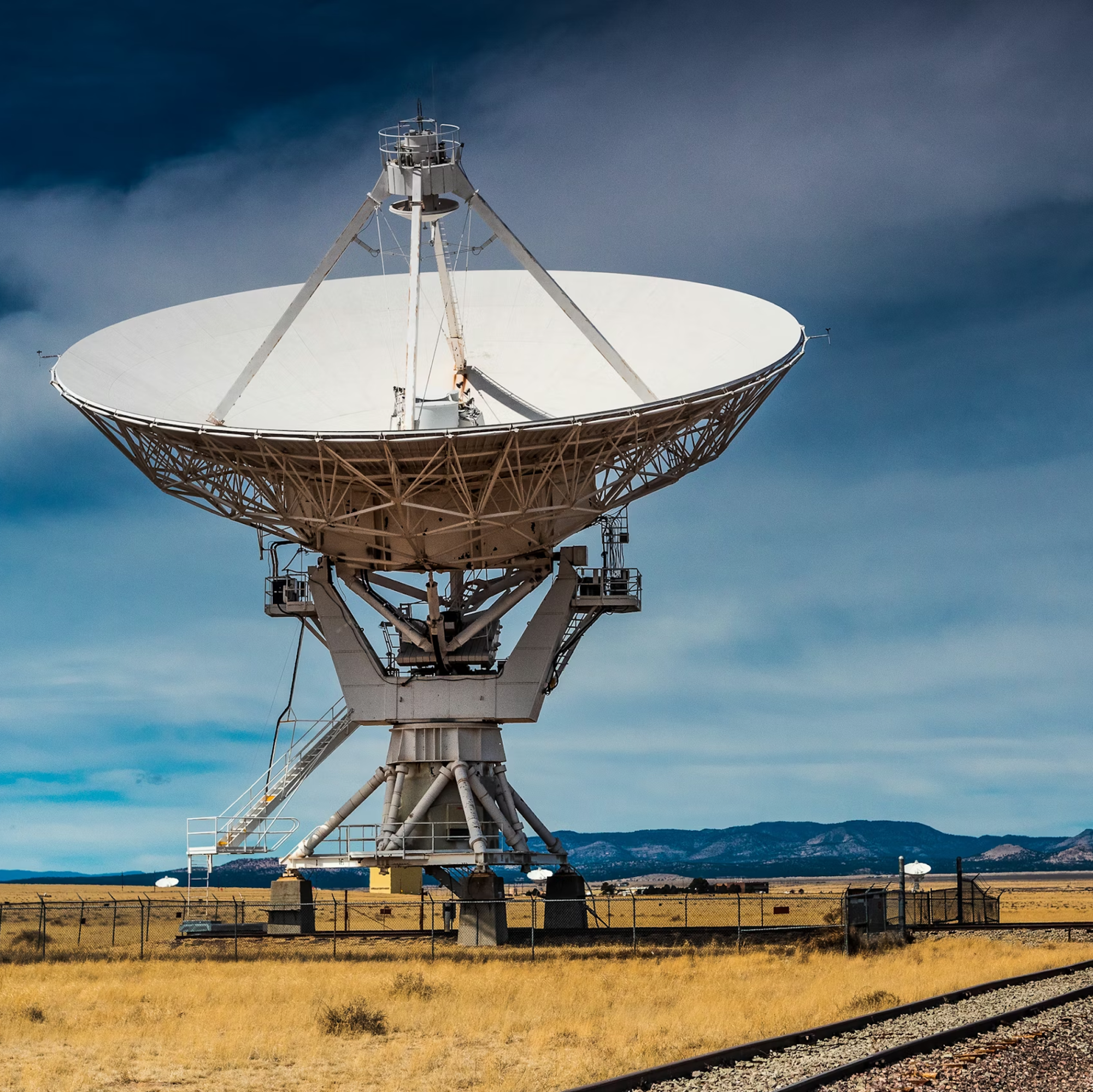
Every RF environment is unique. Our expert engineers design and manufacture systems tailored to your specifications — ensuring unmatched scalability, reliability, and performance.