Cellular Backhaul
Cellular backhaul is the link that carries mobile traffic from a cell site back to the core network. Where fibre and microwave cannot reach, satellite carries it instead, and ETL Systems builds the RF equipment those links depend on.
Cellular backhaul has become a critical enabler for extending mobile coverage beyond the reach of traditional terrestrial infrastructure, providing connectivity in remote, rural, and underserved regions.
The challenges of satellite-enabled backhaul
Backhaul networks can be built using fibre, microwave radio links or satellite communication systems, depending on geography, bandwidth requirements, and deployment constraints.
Modern cellular networks require high‑throughput, low‑latency, and highly resilient backhaul links to support not only voice and data, but also 4G expansion, 5G rollout, IoT deployments, and emergency communications.
As operators increasingly integrate GEO, MEO and LEO satellite systems into their backhaul architectures, the RF infrastructure underpinning these links must deliver exceptional stability, intelligent routing, and efficient signal transport.
Satellite‑enabled backhaul places a range of demands on ground systems:
- Rapidly varying latency and Doppler shifts, especially across LEO constellations
- Higher frequency use (Ku/Ka‑band) to achieve required bandwidth
- The need for agile switching between multiple satellites or beams
- Strict uptime requirements for carrier‑grade mobile networks
- Efficient, modular architectures capable of scaling with network density
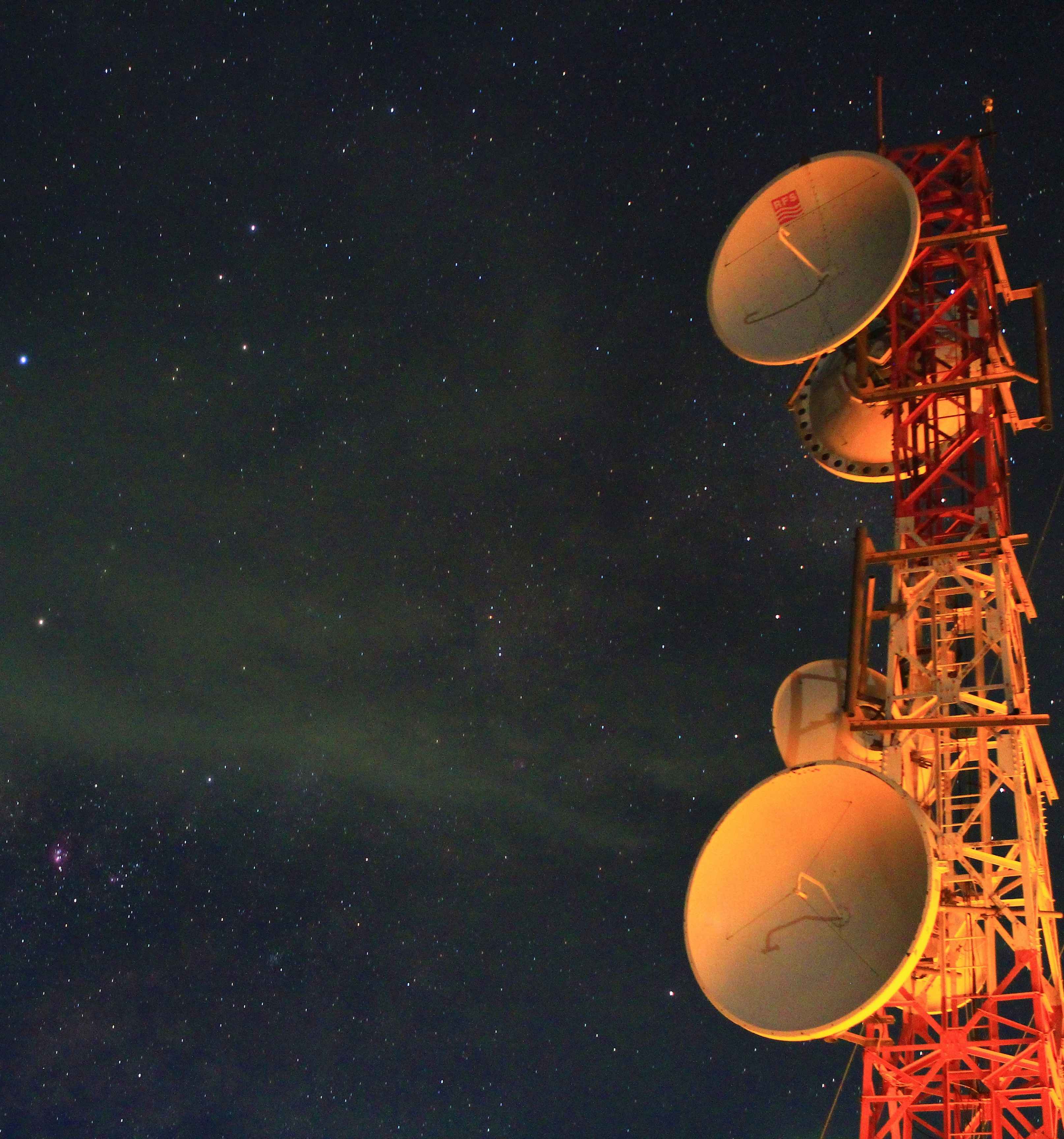

To meet these challenges, operators are deploying next generation gateway and edge terminal infrastructure designed to support flexible backhaul topologies - from dedicated satellite cell sites to hybrid terrestrial/satellite architectures that dynamically route mobile traffic.
ETL Systems brings decades of expertise in RF distribution, frequency conversion, switching, redundancy, and fibre transport to cellular backhaul networks worldwide. Our technologies underpin robust, high‑availability signal chains for VSAT hubs, satellite ground stations, teleport infrastructures, and mobile network gateway sites.
From wideband frequency converters engineered for Ka‑band 5G backhaul, to intelligent RF matrices enabling multi‑satellite routing, to RF over Fibre systems that reduce signal loss across large teleports and distributed architectures – ETL Systems equipment provides the resilience, purity, and performance essential for carrier‑grade cellular services.
As operators expand mobile coverage into underserved regions and leverage satellite networks to densify 4G and 5G infrastructure, ETL Systems plays a key role in building the RF backbone that keeps mobile users connected in all corners of the world.
Featured products
Deployed in cellular backhaul networks worldwide.
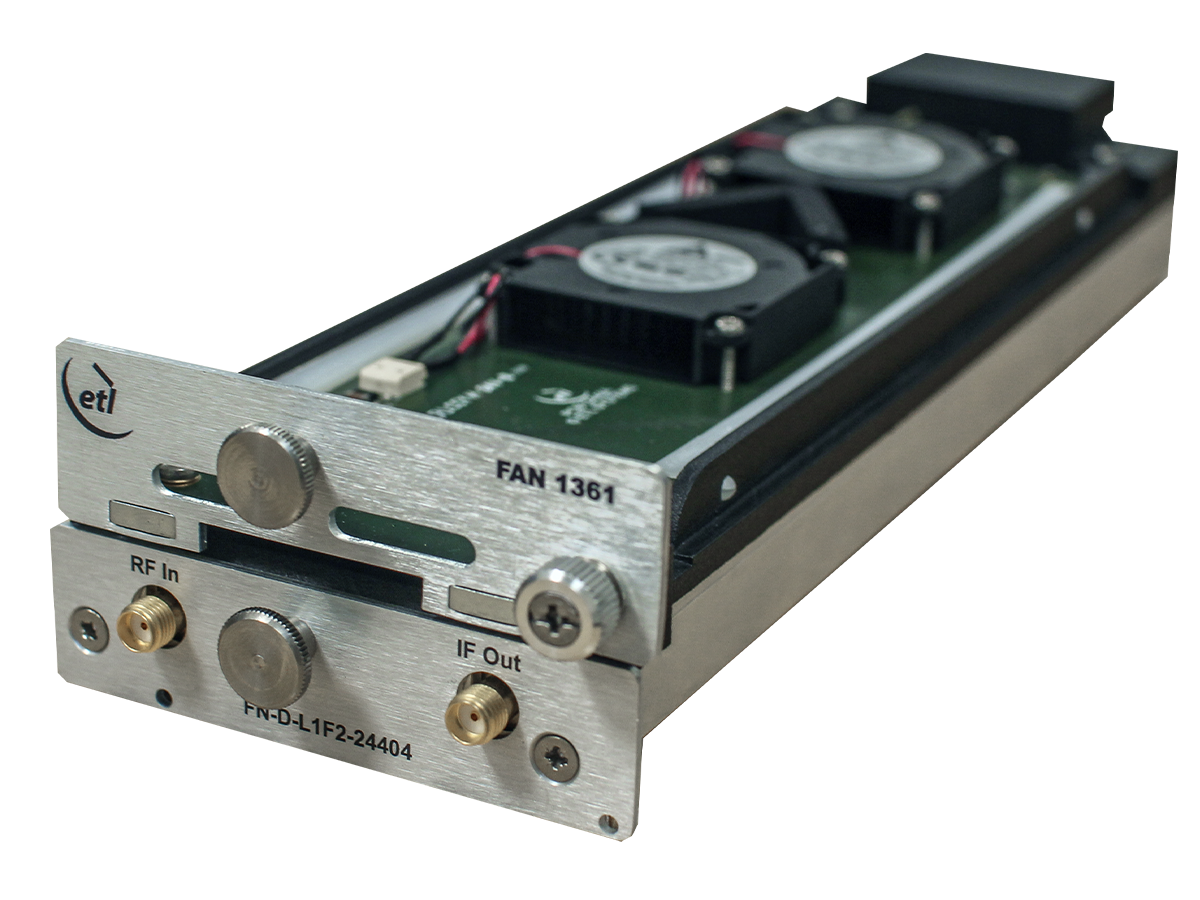
FN-U-K4L1-24403AA
L-band to Ka-band block upconverter
Falcon2 frequency converter for modular GENUS ecosystem; 1150-2150MHz to 27-31GHz
FN-U-C2L1-24440AA
L-band to C-band block upconverter
Falcon2 frequency converter for modular GENUS ecosystem; 1150-1950MHz to 5725-6850MHz
FN-D-K4L1-24425AB
Ka-band to L-band block downconverter
Falcon2 frequency converter for modular GENUS ecosystem; 27.0-31.0GHz to 950-1950MHz
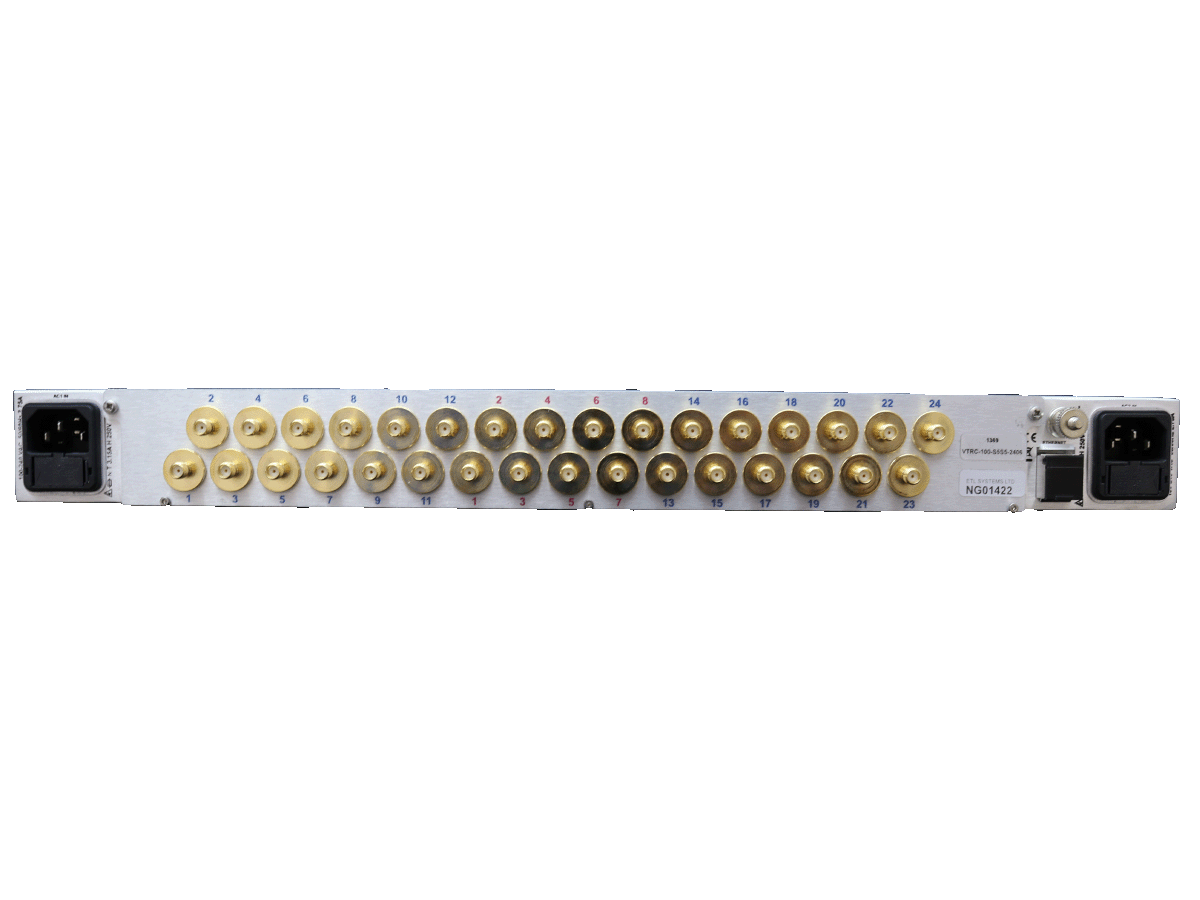
VTRC-100-XXXX-2408
VICTOR 24x8 combining matrix
850-2450MHz extended L-band range, with variable gain
VTRC-101-1616
VICTOR 16x16 combining matrix
850-2450MHz extended L-band range, with variable gain
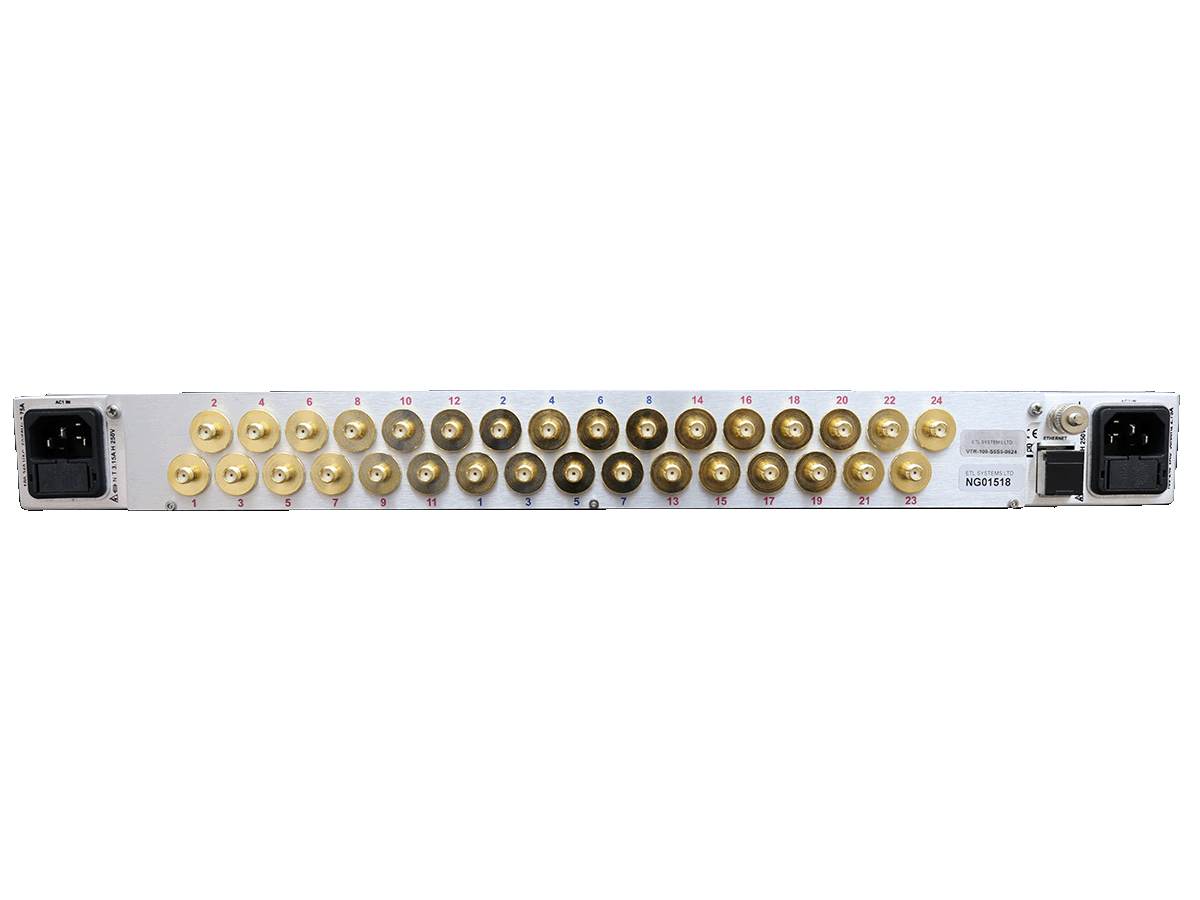
VTR-100-XXXX-0824
VICTOR 8x24 distributive matrix
850-2450MHz extended L-band range, with variable gain
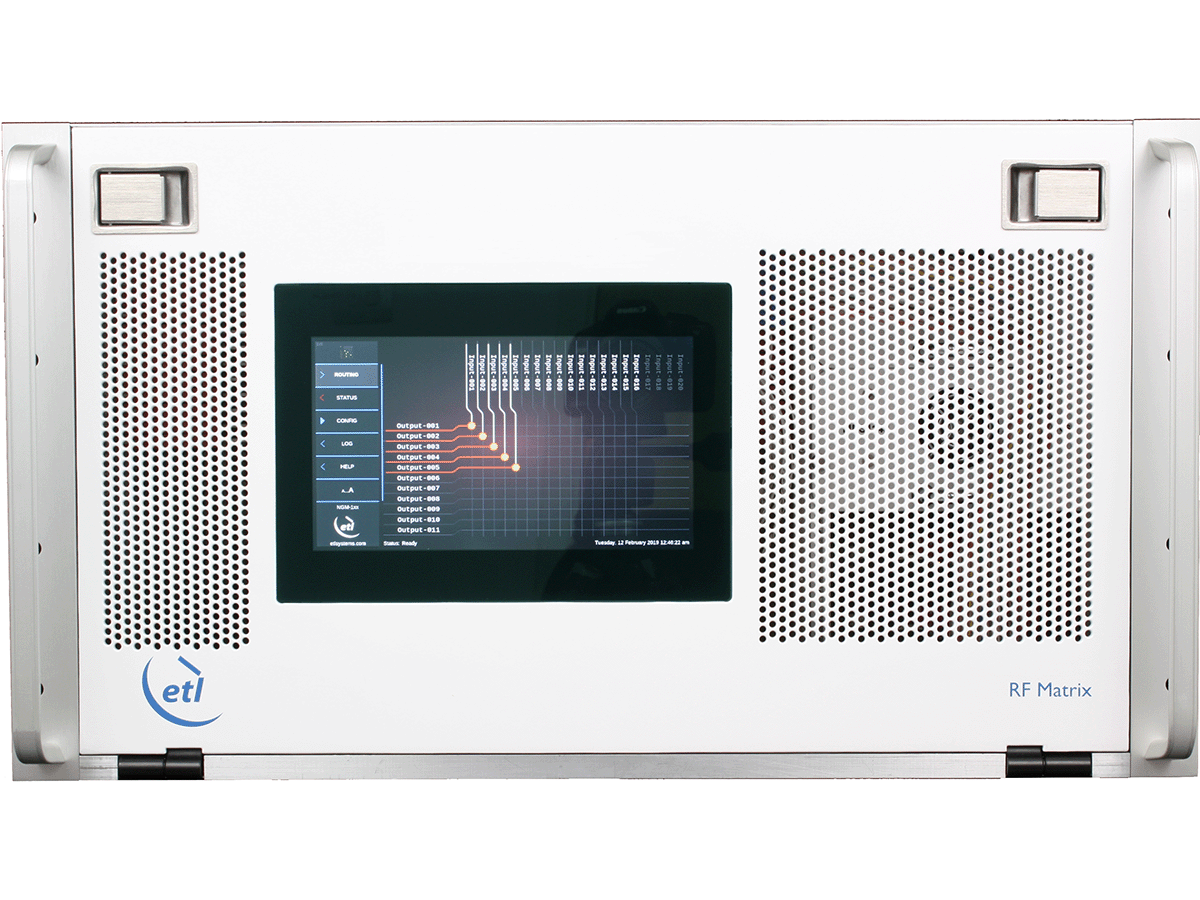
NSN-103
ENSIGN 32x32 FIFO matrix
500-3150MHz extended L-band range, with variable gain
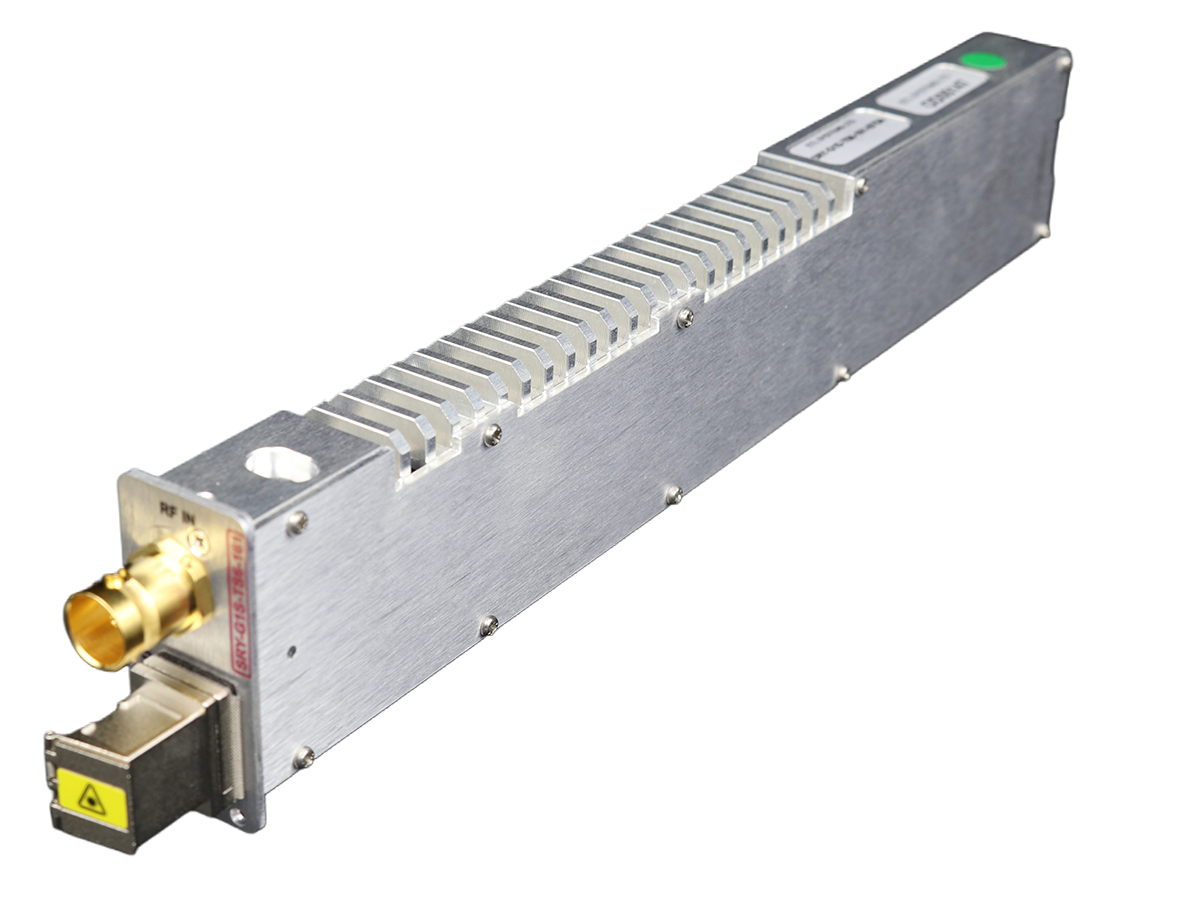
SRY-G1S-TS2-179
STINGRAY RF over Fibre L-band Tx module
For use with modular GENUS ecosystem; 850-2450MHz range, 1U module
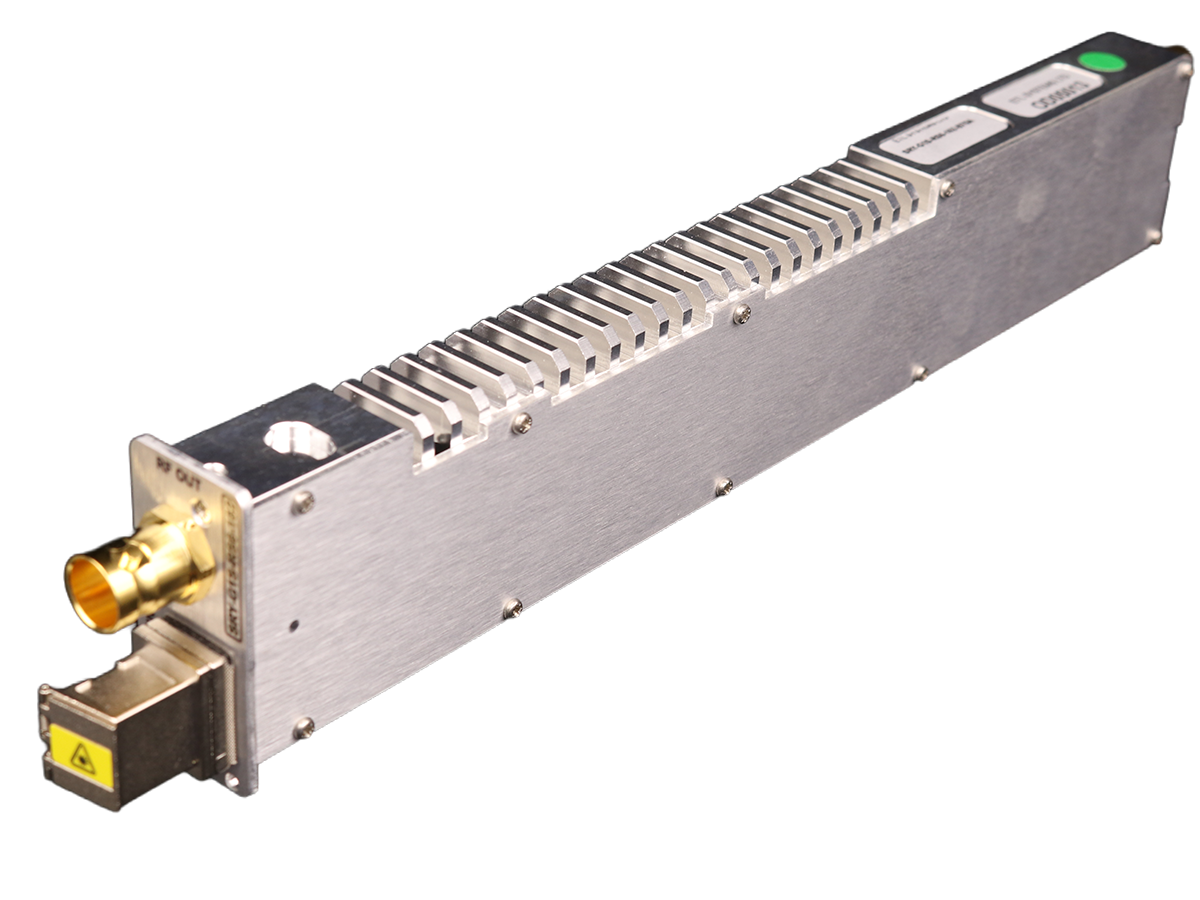
SRY-G1S-RS2-180
STINGRAY RF over Fibre L-band Rx module
For use with modular GENUS ecosystem; 850-2450MHz range, 1U module
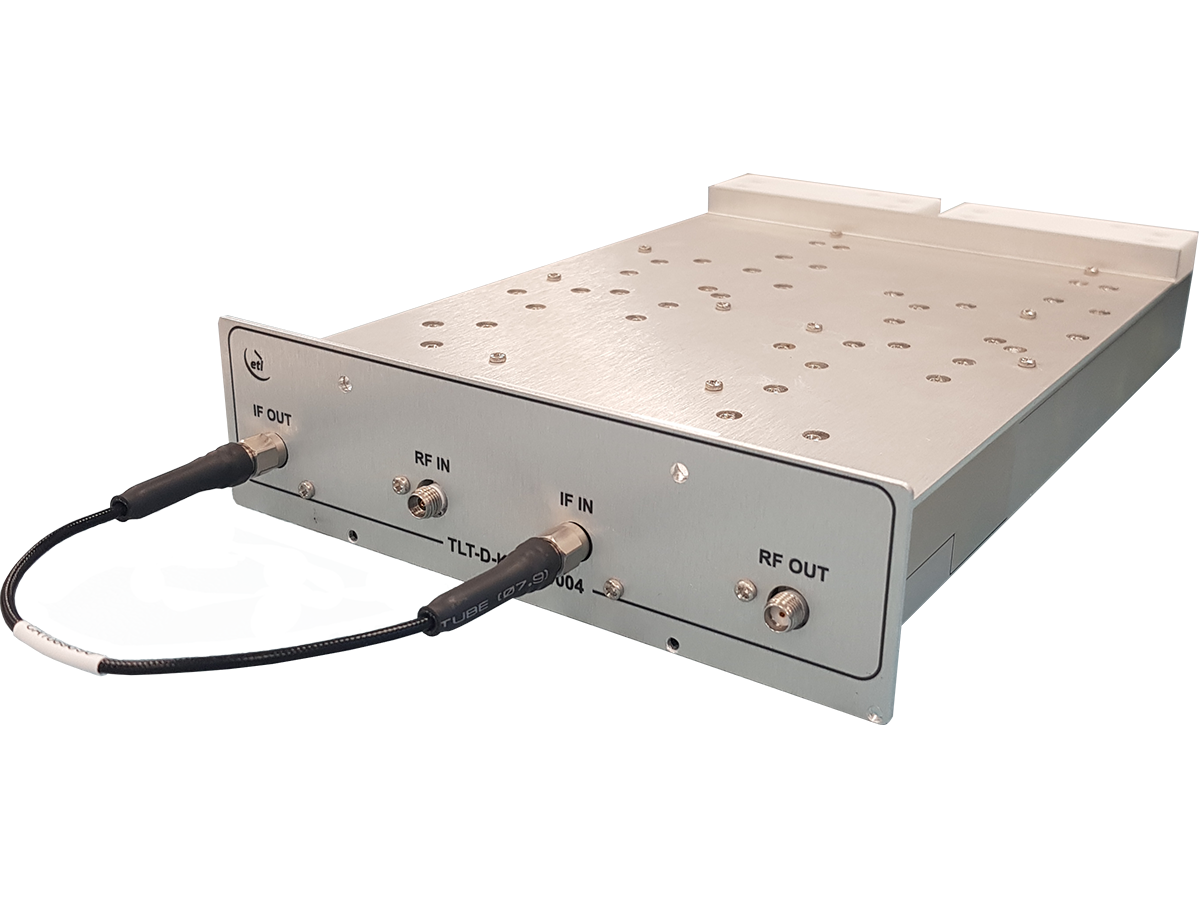
TLT-D-K4KX-1024
Ka-band to K-band test loop translator
For use with modular GENUS ecosystem, Ka-band to K-band with variable attenuation
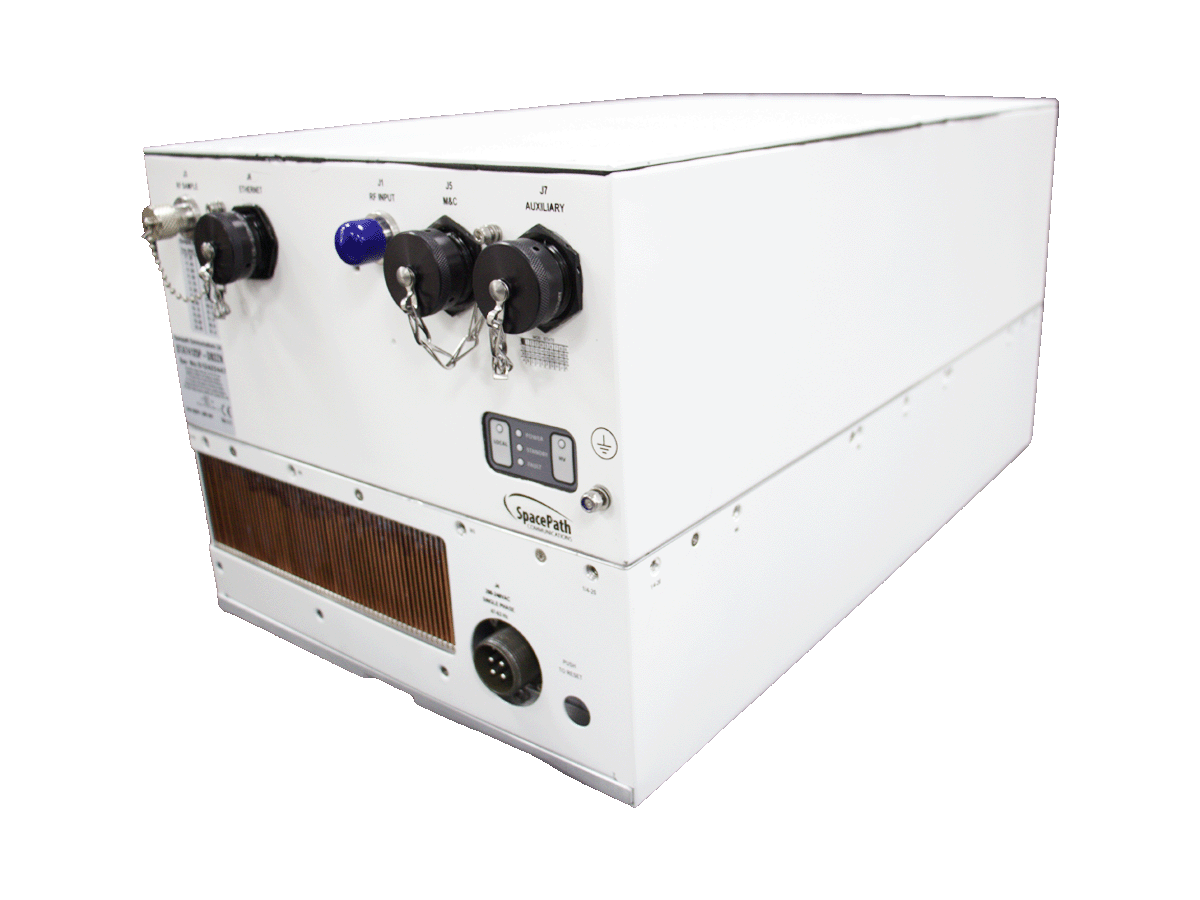
STA73125P
SPACEPATH 1250W peak Ku-band TWTA
With variable gain, optional BUC/lineariser and frequency range options
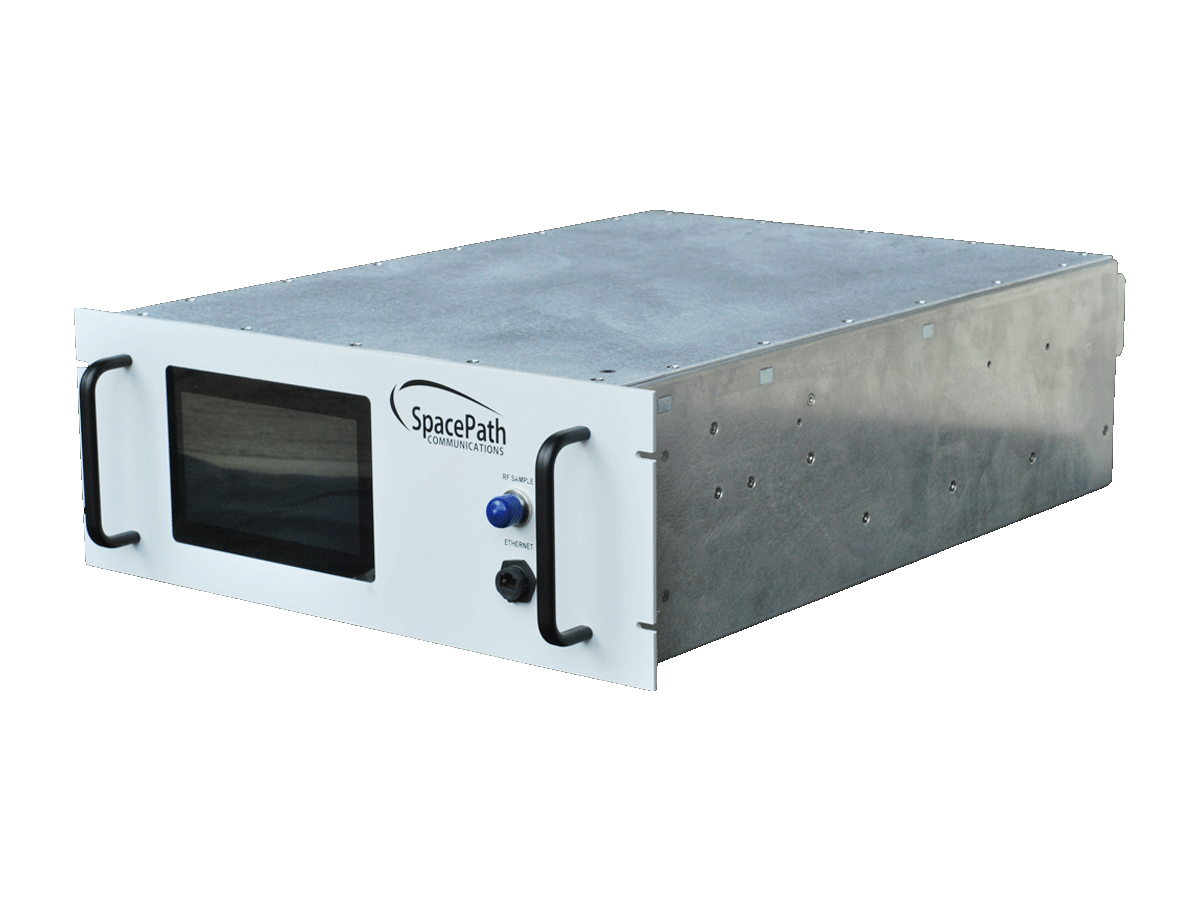
STR5375
SPACEPATH 750W Ku-band indoor TWTA
With variable gain, optional lineariser and frequency range options
FAQs
Cellular backhaul is the link that carries traffic between a mobile cell site and the operator’s core network. It can run over fibre, microwave radio or satellite, depending on the site’s location, the bandwidth required and how quickly the operator needs it live.
Satellite is used where terrestrial links are impractical: remote and rural cell sites, islands, mountainous terrain, offshore installations and rapid deployments where trenching fibre would take months. It is also used as a resilient secondary path for sites that already have fibre but cannot afford an outage.
A gateway needs frequency converters to move signals between L-band and the transmit band, matrix switching to route traffic between antennas and modems, RF over fibre to carry signals across the site without loss, and redundancy switching so a single failure does not take the link down.
Ku-band and Ka-band carry most satellite backhaul because they offer the bandwidth that 4G and 5G traffic demands. C-band is still used where rain fade is a concern. At the gateway, signals are converted to and from L-band for routing and distribution inside the equipment room.
LEO satellites move across the sky, so the gateway must track them and hand traffic between satellites and beams without dropping the link. That means faster switching, more antennas per site, and RF distribution that can reroute signals dynamically rather than sitting on fixed paths.
Yes, with the right ground architecture. Mobile operators typically specify availability above 99.9 per cent, which is achieved through redundant signal paths, automatic failover switching, uplink power control and, on Ka-band, site diversity so a second gateway takes over during heavy rain.

Engineered for Reliable RF Performance
Every RF environment is unique. Our expert engineers design and manufacture systems tailored to your specifications — ensuring unmatched scalability, reliability, and performance.