
Non-Geostationary Satellite Orbit (NGSO)
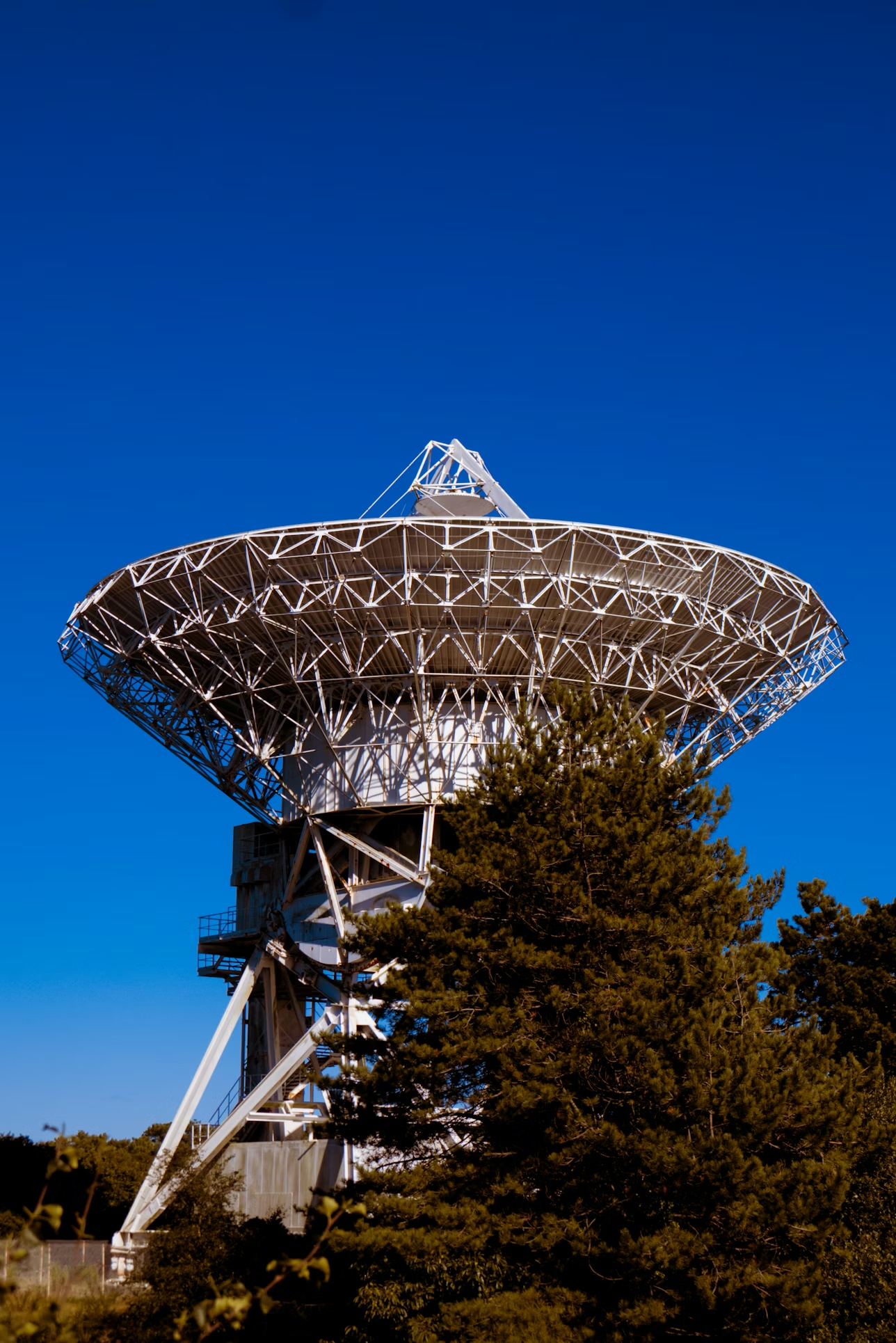
ETL Systems supports a wide range of satellite communications ground infrastructure, including the rapidly expanding Non-Geostationary Satellite Orbit (NGSO) segment.
NGSO encompasses Low Earth Orbit (LEO), Medium Earth Orbit (MEO), and Highly Elliptical Orbit (HEO) missions. Growth in this sector has accelerated with the rise of LEO operators such as SpaceX Starlink, OneWeb, Planet Labs, Airbus SE and others, who are delivering low-latency, high-speed connectivity to some of the most remote and underserved regions on the planet.
Each NGSO architecture relies on ground-based teleports to link the constellation with terrestrial networks. These facilities form the gateway between space and Earth, routing vast volumes of data to and from end users. Designed to handle dynamic tracking, rapid handovers and wide operating bandwidths, NGSO teleports must support a broad range of RF frequencies – including the Ku- and Ka-band channels commonly used for high-data-rate LEO services.
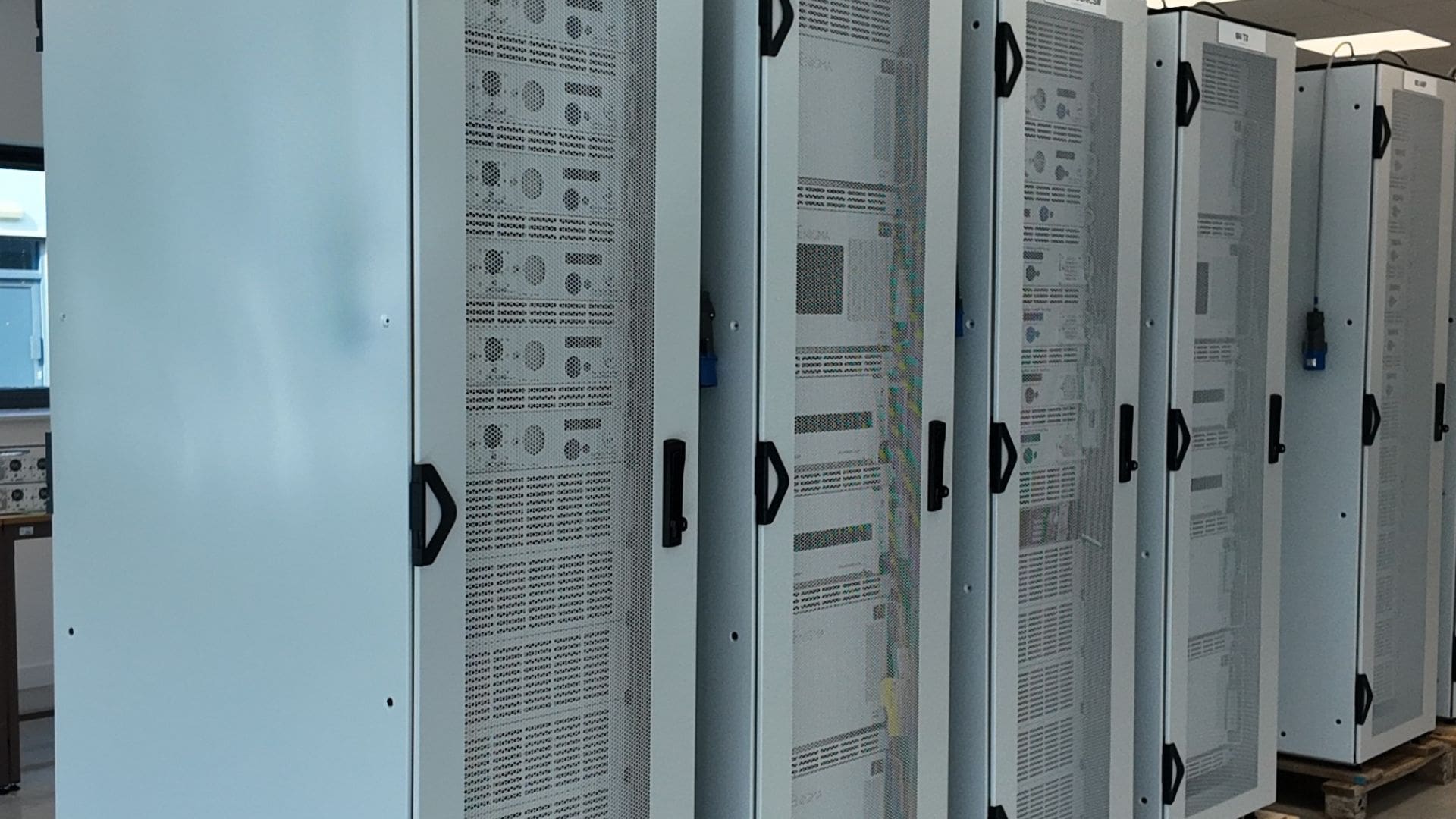
ETL Systems provides a comprehensive portfolio of RF technologies to meet these demands, including high-performance switch matrices, agile and fixed frequency converters (BUCs, LNBs and converter variants), solid-state and TWT amplifiers, and RF over Fibre solutions. These products are engineered to maintain signal integrity, support redundancy architectures and deliver reliable operation within fast-moving, high-throughput NGSO environments.

Featured products
Deployed in satellite ground stations around the world
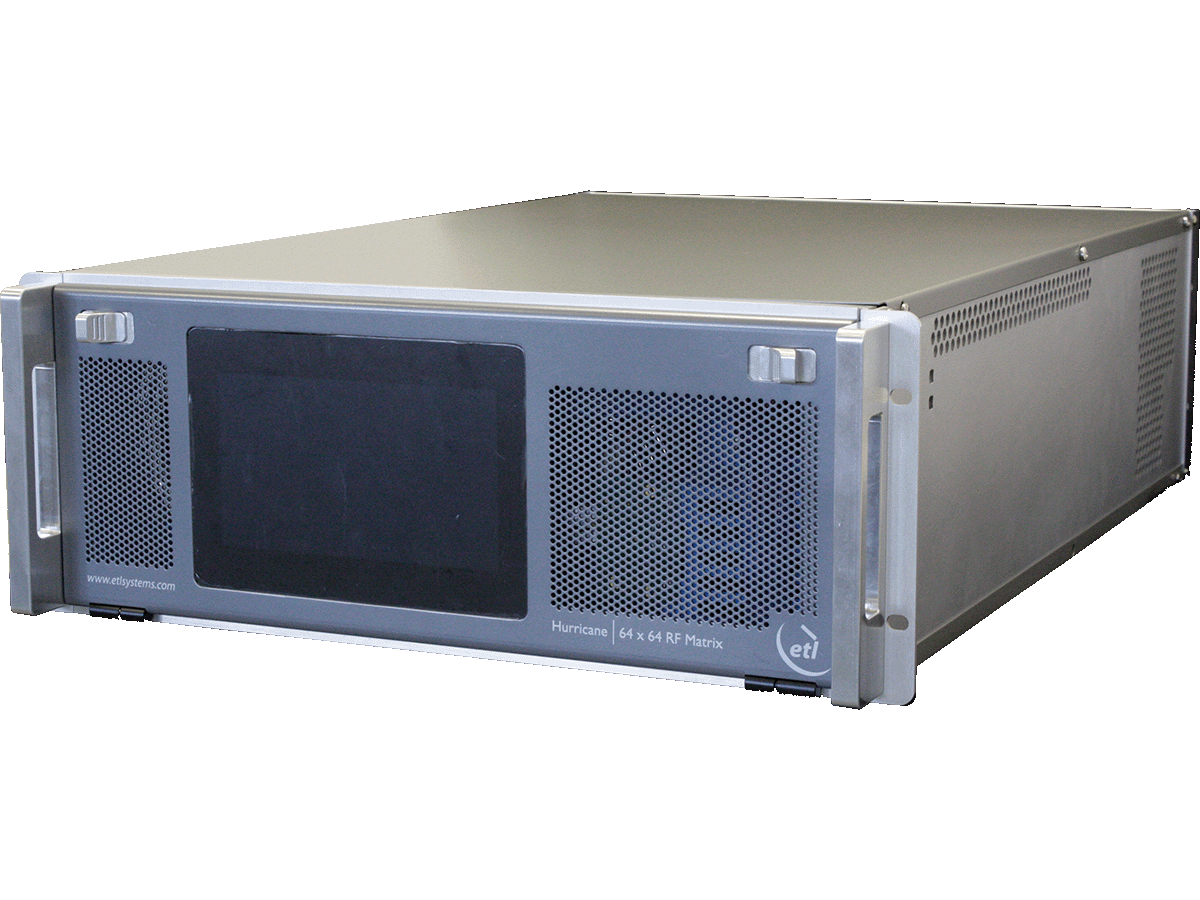
HUR-10
HURRICANE 64x64 distributive matrix
850-2450MHz extended L-band range, ultra-configurable model
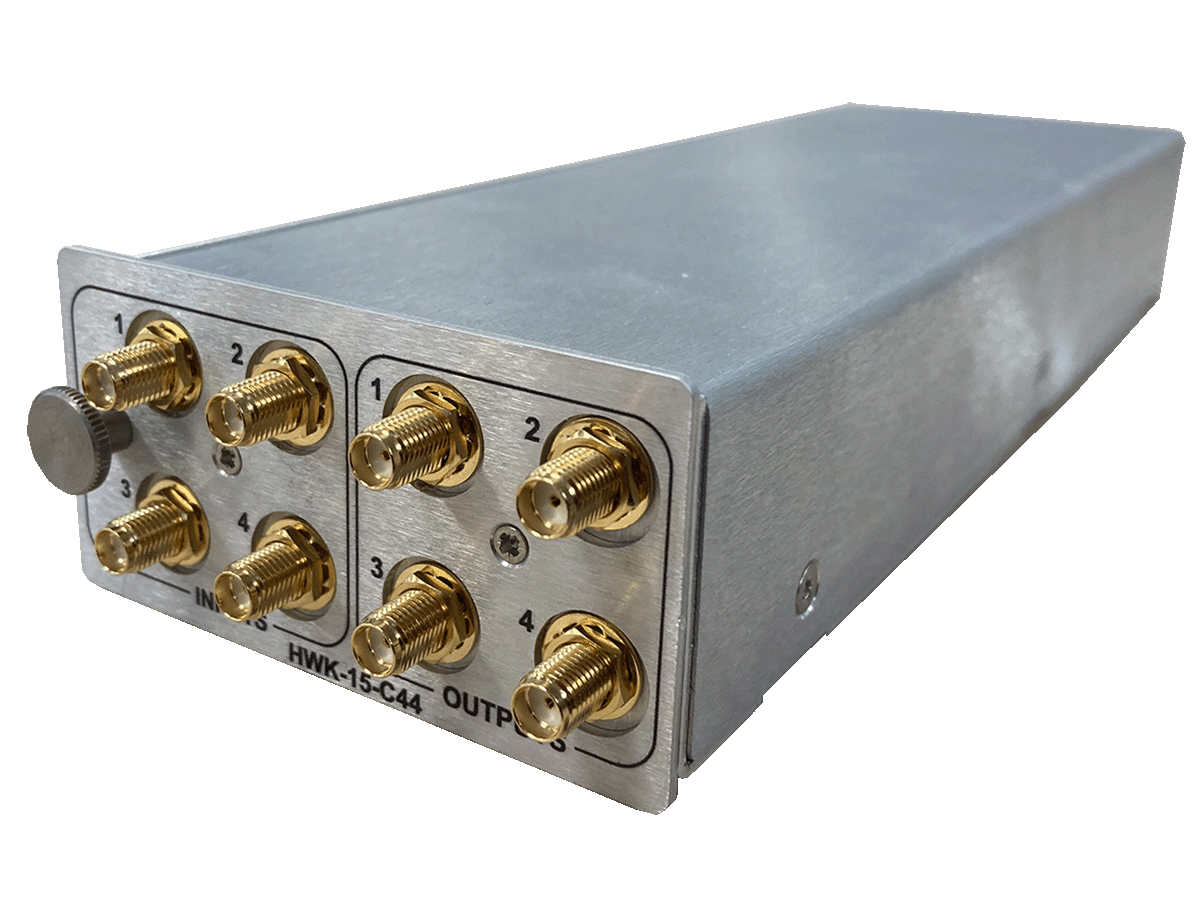
HWK-G1S-15-F44
HAWK 4x4 FIFO matrix module
500-3150MHz extended L-band range, with unity gain
HWK-G1S-15-D44
HAWK 4x4 distributive matrix module
500-3150MHz extended L-band range, with unity gain
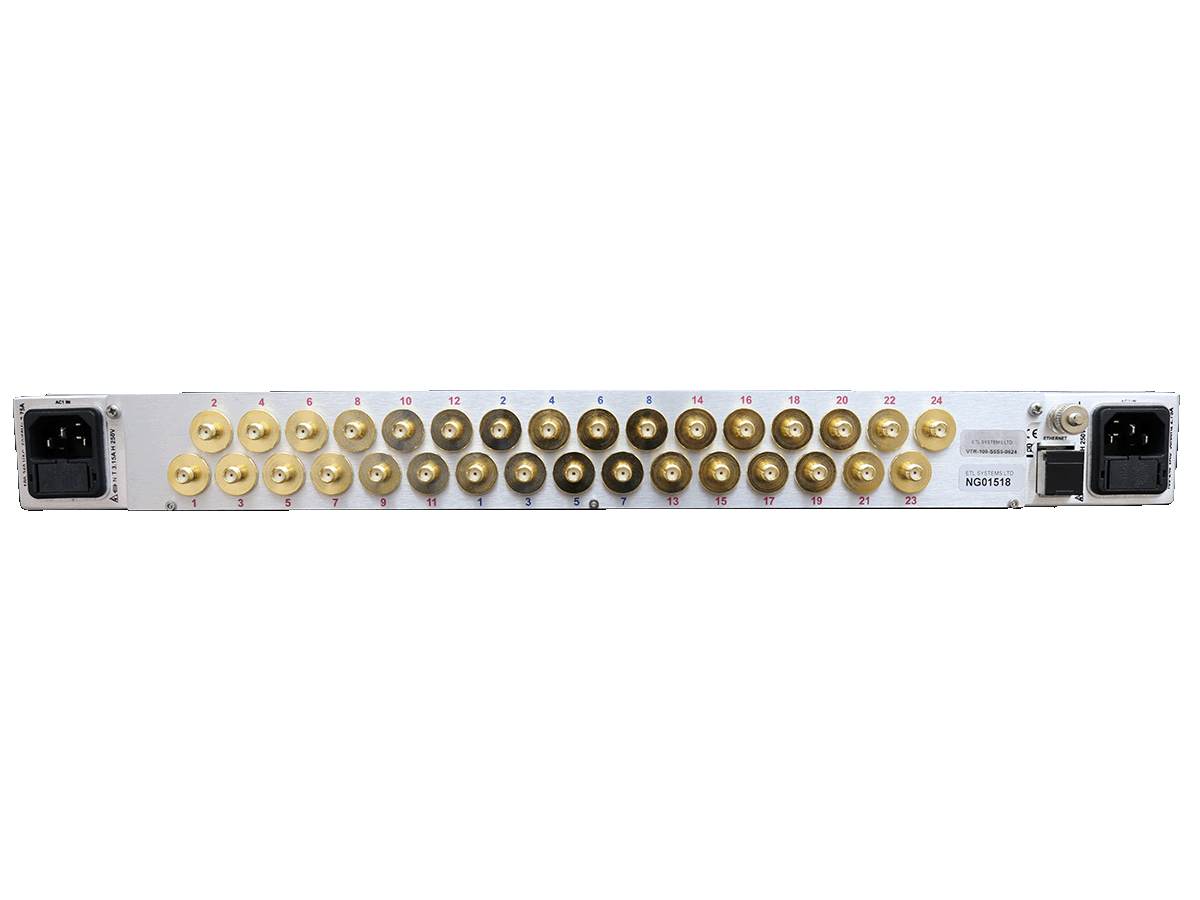
VTR-101-1616
VICTOR 16x16 distributive matrix
850-2450MHz extended L-band range, with variable gain
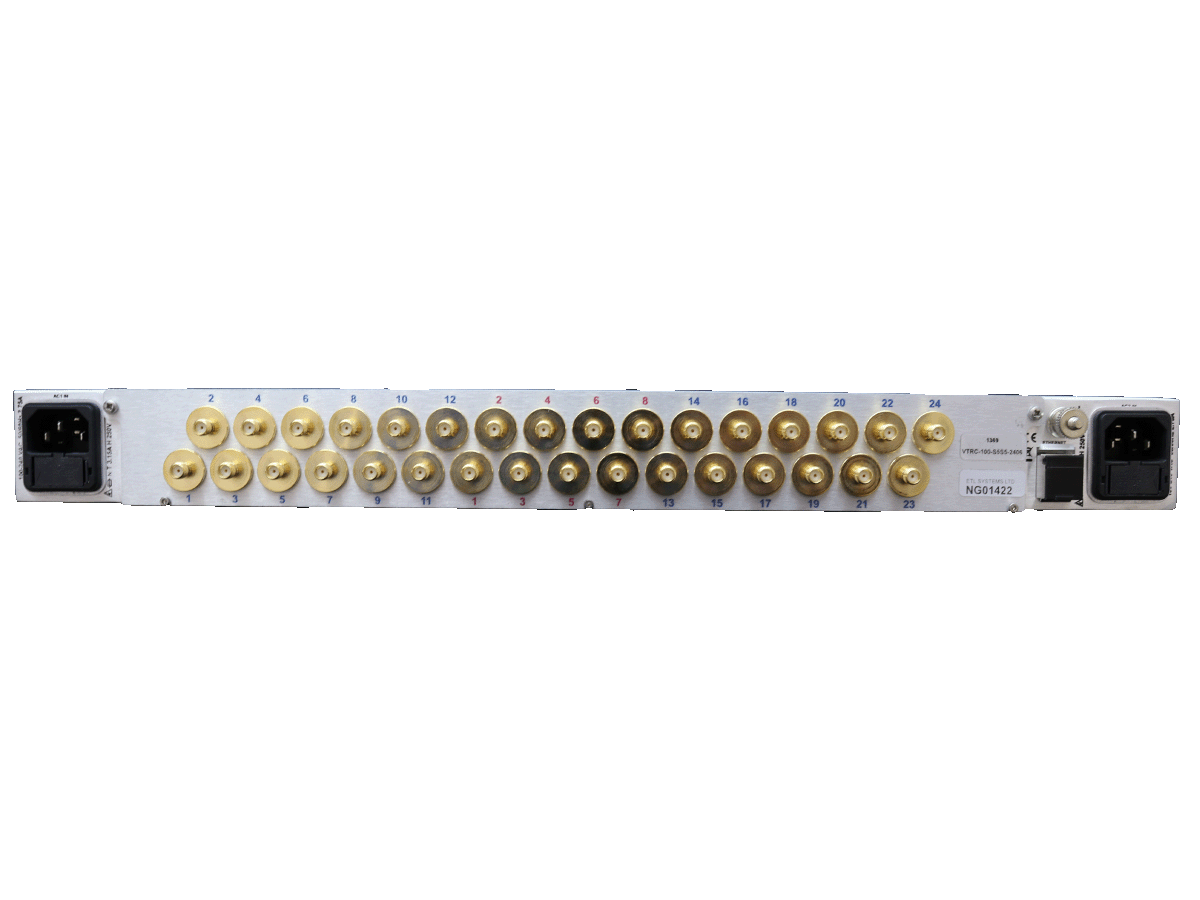
VTRC-102-XXXX-1616
VICTOR 16x16 combining matrix
850-2450MHz extended L-band range, with variable gain/RF detection
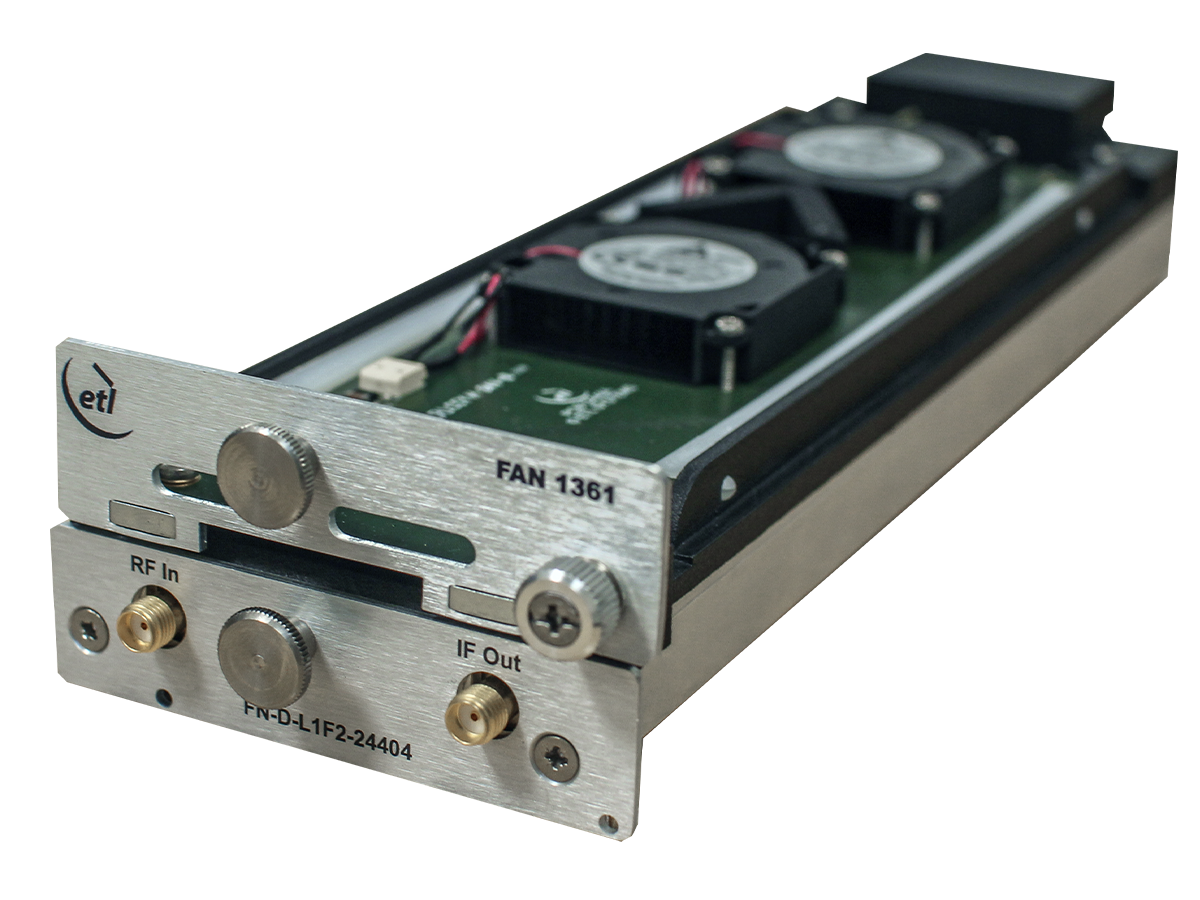
FN-D-K1L1-24400AA
Ku-band to L-band block downconverter
Falcon2 frequency converter for modular GENUS ecosystem; 10.7-12.75GHz to 1100-2150MHz
FN-U-KXL1-24474AA
L-band to Ka-band agile upconverter
Falcon2 frequency converter for modular GENUS ecosystem; 900-1500MHz to 22.55-23.15GHz
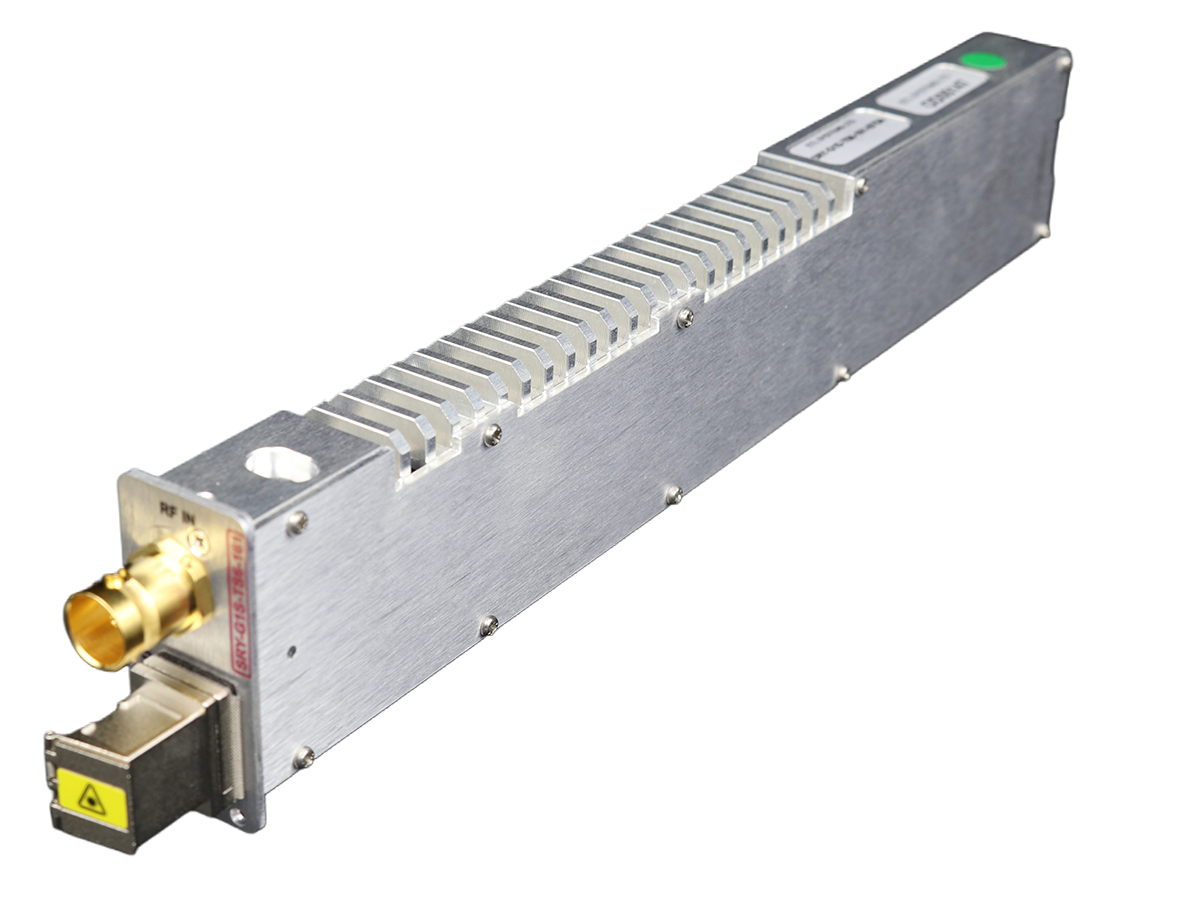
SRY-G1S-TS6-161
STINGRAY RF over Fibre S-band Tx module
For use with modular GENUS ecosystem; 500-3150MHz range, 1U module
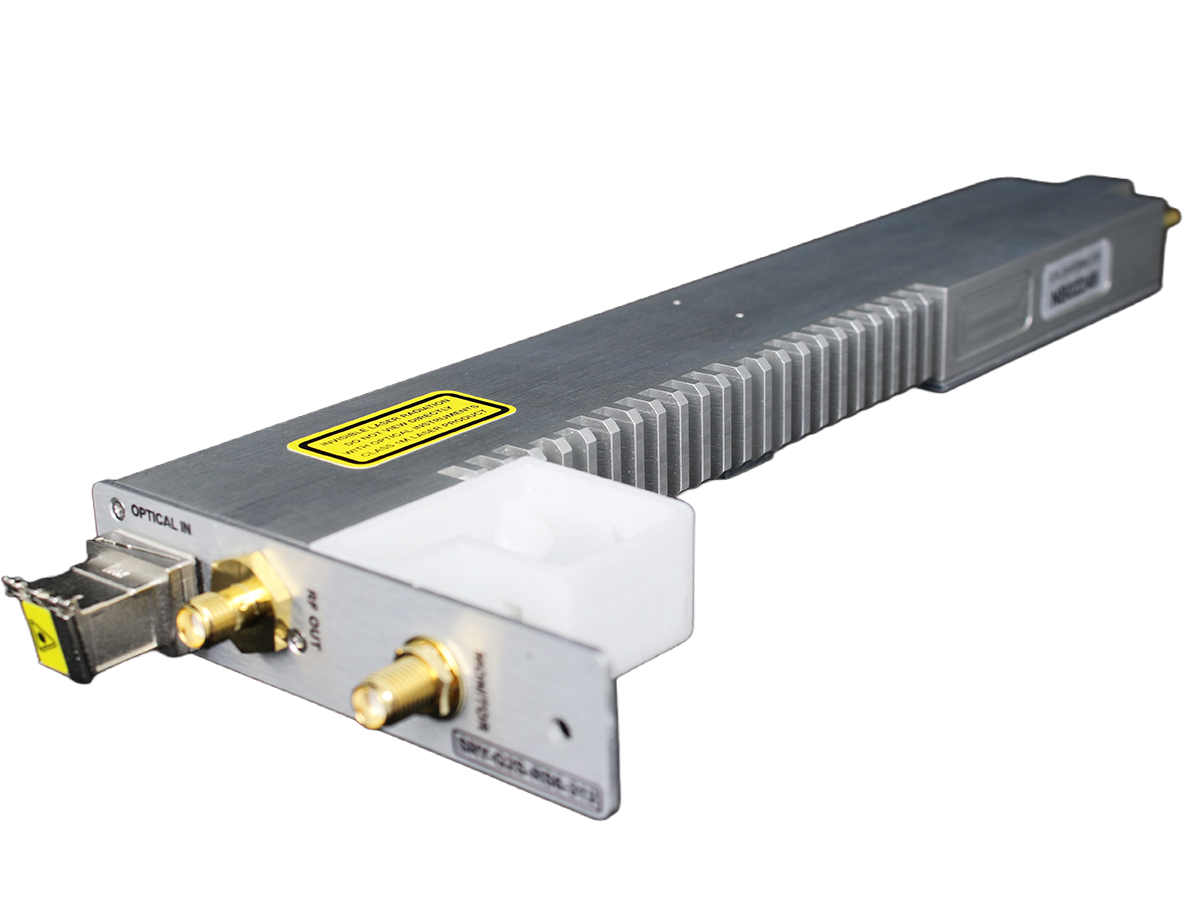
SRY-G2S-RS2-334
STINGRAY RF over Fibre L-band DWDM Rx module
For use with modular GENUS ecosystem, 850 - 2450MHz range, 2U DWDM module
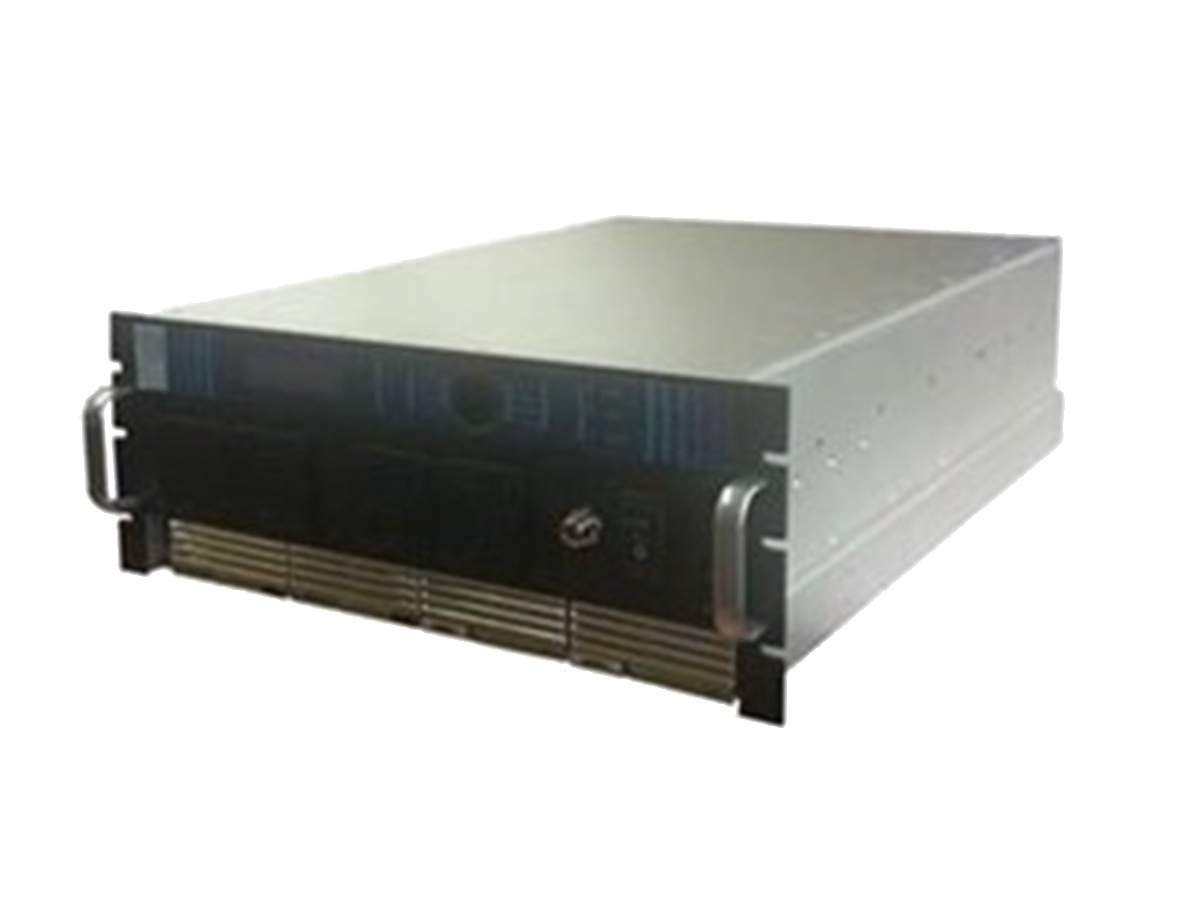
IPB-CB00625-RMSX
1800W C-Band Indoor SSPA
Super high power density GaN-powered indoor BUC/SSPA
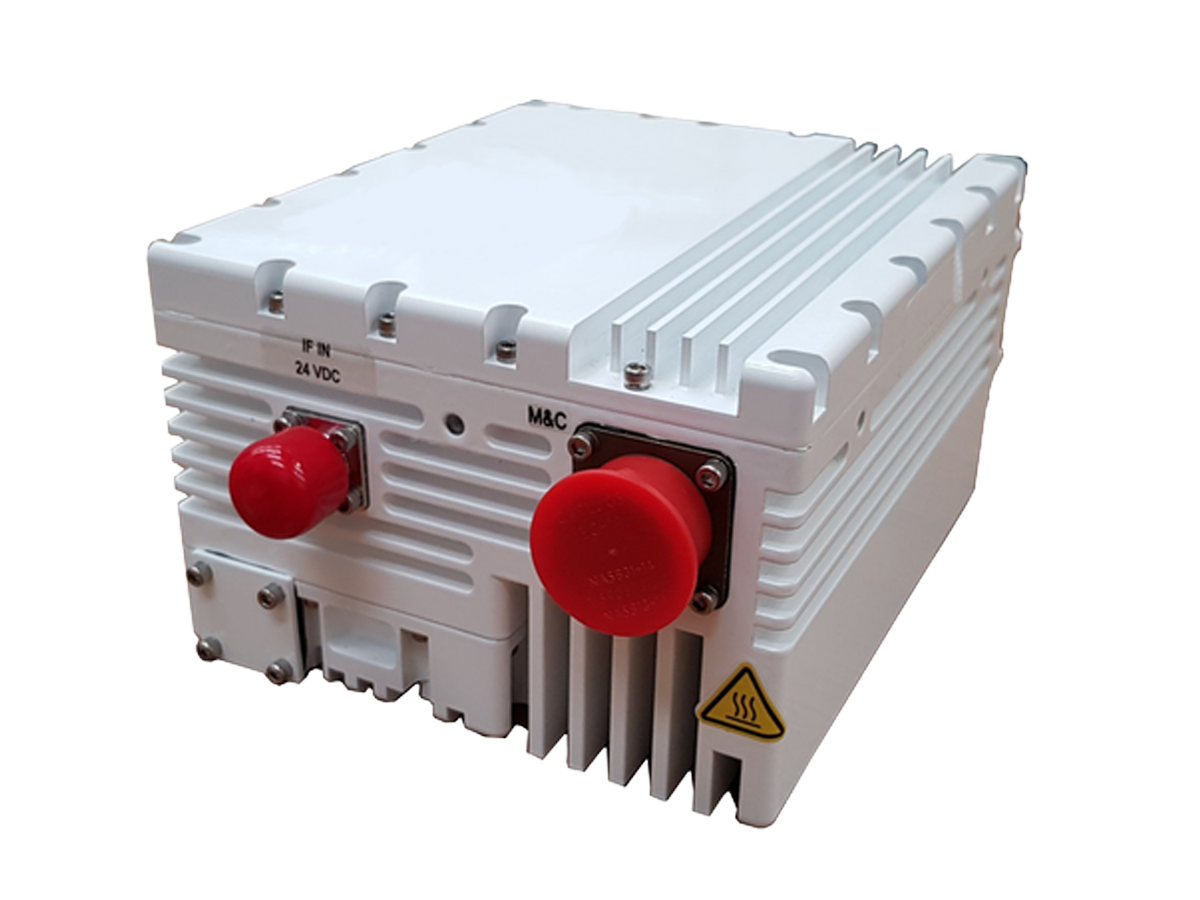
TPB-KUB0XXX-HMX
8W-16W Ku-band BUC/SSPA range
Ultra-compact GaN-powered outdoor BUC/SSPA
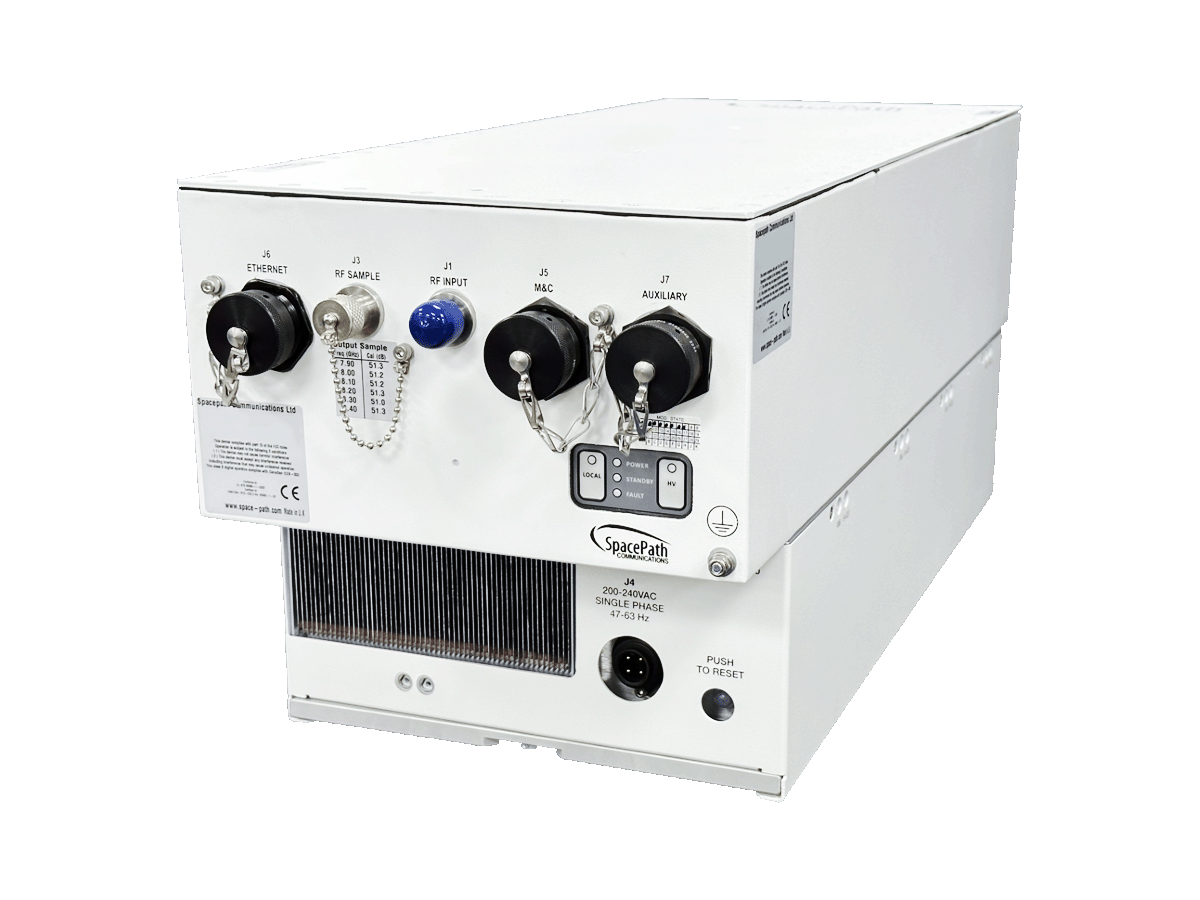
STA6275
SPACEPATH 750W X-band TWTA
With variable gain, optional BUC/lineariser and frequency range options
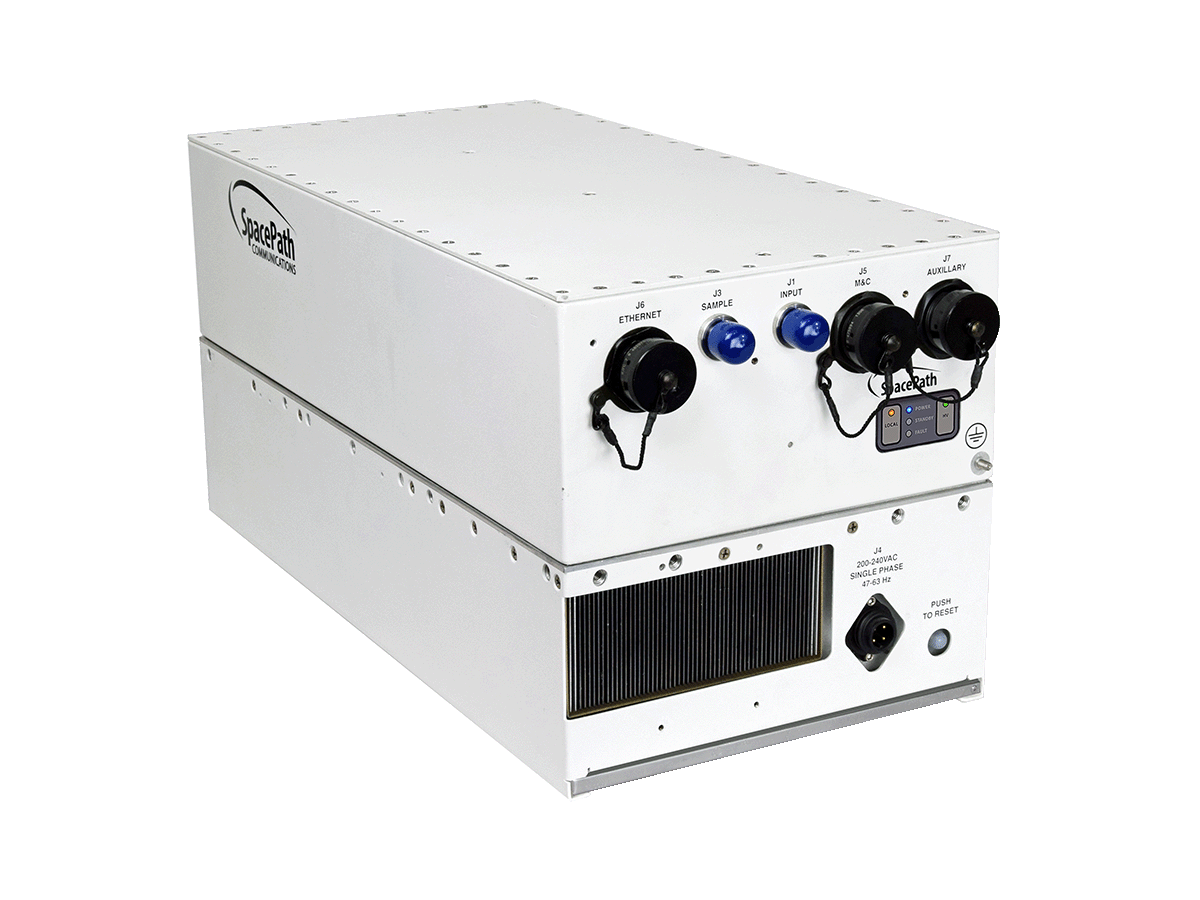
STA5475
SPACEPATH 750W DBS-band TWTA
With variable gain, optional BUC/lineariser and frequency range options
NGSO networks
- NGSO networks provide a range of benefits over traditional geostationary (GEO) neworks including lower latency of around 20-50ms compared with 500ms, due to the NGSO satellites’ closer proximity to Earth.
- Super low latency allows for real-time communications in time sensitive scenarios such as financial transactions, remote equipment diagnostics, navigation systems on maritime vessels, IoT devices, cloud-based services, and autonomous vehicles.
- Additional benefits of NGSO include higher bandwidth and data transfer rates with lower signal loss.
- NGSO constellations can also provide truly global coverage, since their satellite networks orbit the entire Earth including the polar regions – an area that GEO satellites struggle to effectively cover due to their fixed positioning above the equator.
- Significant volume of gateway antenna sites required to support the frequent satellite handover (every 15-20 minutes in the case of LEO satellites).
- Complexity of architecture and ground system technology required for tracking multiple satellites.
- Smaller antennas and gateways typically require more compact sub-systems.
- High frequency bands in the RF spectrum are becoming increasingly congested; satellite operators seek to utilise different frequency bands in different jurisdictions around the world.
- Advanced manufacturing capability with a range of COTS equipment for multi-site installation.
- GENUS range of modular RF equipment has been designed to offer a mix-and-match combination of functionality in a super compact 1U rack form factor – ideal for LEO antenna sites.
- Small matrices such as the Hawk 4×4 to 16×16 RF Switch Matrix are ideally suited for smaller gateways with multiple modems and one or two antennas.
- Our comprehensive range of frequency converters covers IF-Band to Ka-Band, enabling an operator to utilise different spectrum around the world.
- Our range of a high power amplifiers provides the uplink amplification required across a range of frequency bands.
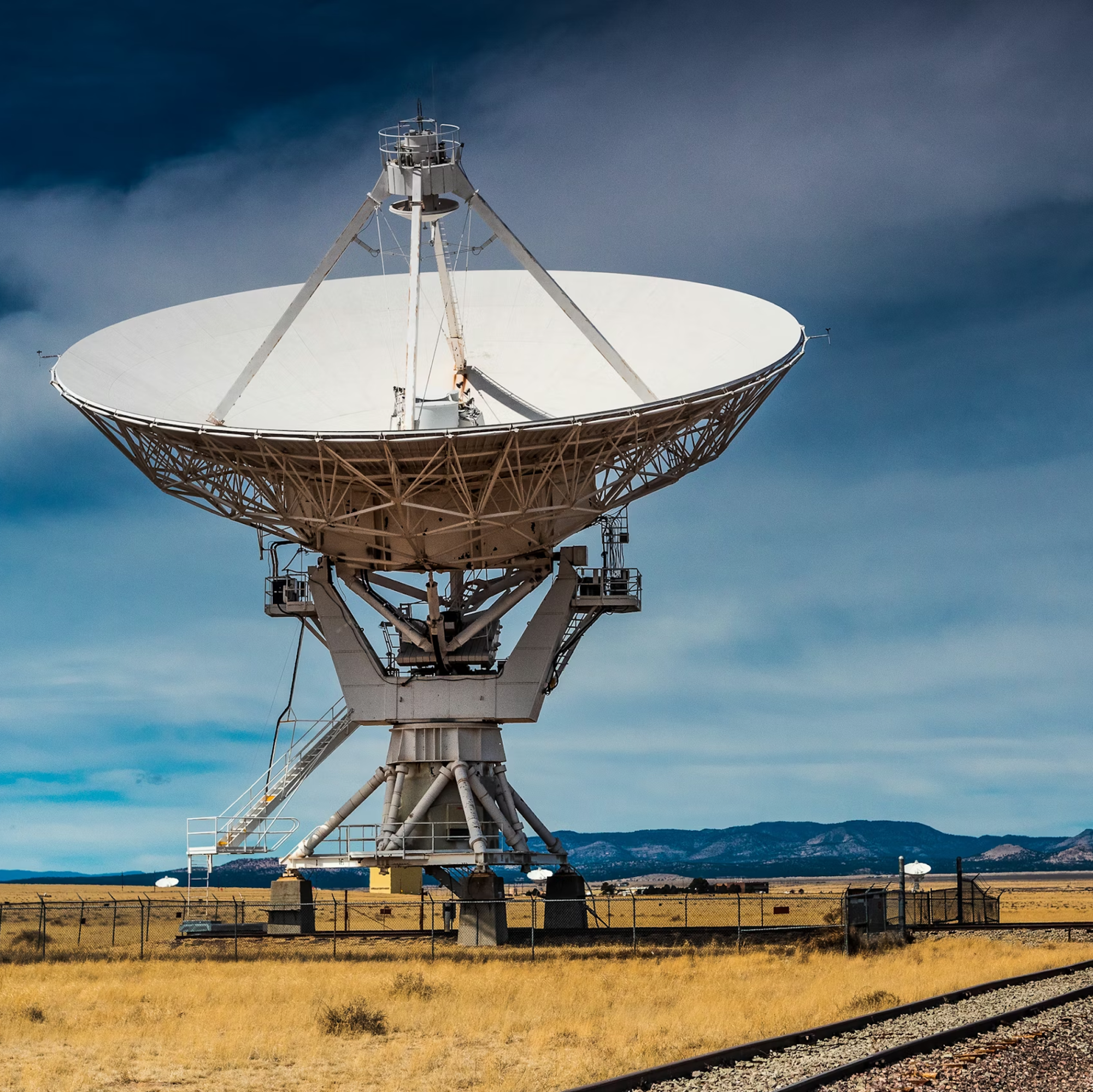


Low Earth Orbit (LEO) Satellites are in orbit at altitudes between 160 to 2,000 kilometres. For complete Earth coverage and due to their limited (momentary) Field of View (FoV), a high number of satellites are required. Unlike GEO satellites, which are stationary relative to the Earth’s rotation, LEO satellites at 1000Km altitude have an orbital velocity relative to the Earth of about 7.3km/s.
On the ground, this means 2 to 3 antennas must be provided for tracking and satellite changeover. However, due to the reduced gain requirement these antennas are smaller than GEO satellite antennas – typically having a maximum diameter of 2.4m and using both Ka- and Ku-bands.
With low cost, ease of maintainability, small form factor and extended bandwidth all expected requirements for LEO ground segment equipment, ETL has a range of products designed to fit these needs, depending on the antenna hub requirements. ETL’s latest introduction, the Genus chassis, is a compact common chassis with a range of functions, broad frequency ranges and a scalable design to fit into small and large teleports.
LEO applications broadly fit into two categories:
Broadband internet access direct to end users/consumers
For latency critical applications e.g. Financial transactions, autonomous cars, remote video surgery etc LEO’s will be the first choice as the round-trip latency of a LEO satellite is roughly 10 times lower than a GEO satellite.
Enterprise and Government
As some planes in some LEO constellations are being laser linked this gives the possibly of a highly secure link independent of the internet. Ideal for private enterprise and government communications.

MEO satellites operate between 2,000 km and 36,000 km altitude, occupying the space between LEO and GEO. The MEO segment is gaining momentum as operators leverage its unique performance characteristics to deliver high-capacity, low-latency connectivity for navigation, broadband, and mobility services.
Networks like SES’s O3b and O3b mPOWER demonstrate MEO’s distinct advantages: lower latency than GEO, greater spectral efficiency, and reduced constellation complexity compared to LEO. This balance makes MEO well-suited to data-intensive, mission-critical applications where performance and reliability are non-negotiable.
MEO connectivity supports a diverse range of demanding use cases:
- Maritime and aviation connectivity
- Government and defence communications
- Remote enterprise networking and backhaul
- Cruise-ship broadband and in-flight connectivity (IFC)
- Offshore platforms and tactical operations
- Large-scale enterprise networks requiring consistent global coverage
Teleports for MEO networks must support high-power Ka-band and wideband frequencies, deliver precision tracking for moving satellites, and enable seamless handover as spacecraft traverse the sky. Signal integrity, redundancy, and operational resilience are critical throughout the RF chain.
ETL’s RF distribution, frequency conversion, and amplification technologies are engineered to meet these requirements – supporting reliable performance across the evolving MEO landscape.

HEO satellites operate in stretched, oval-shaped orbits - passing close to Earth at perigee and reaching extreme distances at apogee. This orbital profile enables extended dwell time over high-latitude regions, delivering sustained visibility and strong link performance where GEO coverage is limited or unavailable.
HEO systems are strategically important for Arctic communications, government and defence operations, and resilient connectivity in polar environments where traditional architectures fall short.
HEO constellations support mission-critical services across a range of demanding scenarios:
- Secure military communications
- Intelligence, surveillance, and reconnaissance (ISR)
- Emergency response and disaster recovery
- Remote enterprise networking
- Broadband services for high-latitude communities
Ground segment infrastructure for HEO needs to manage wide dynamic range in signal conditions, accommodate frequent frequency shifts driven by continuously changing orbital geometry, and deliver robust tracking as satellites move rapidly near perigee.
Reliability depends on agile RF equipment, high-stability frequency conversion, resilient switching architectures, and amplification capable of maintaining link quality throughout the orbit cycle.
ETL’s RF matrices, frequency converters, amplifiers, and RF over Fibre solutions are engineered to address these challenges – ensuring dependable performance for mission-critical HEO communications.
Engineered for Reliable RF Performance
Every RF environment is unique. Our expert engineers design and manufacture systems tailored to your specifications — ensuring unmatched scalability, reliability, and performance.