
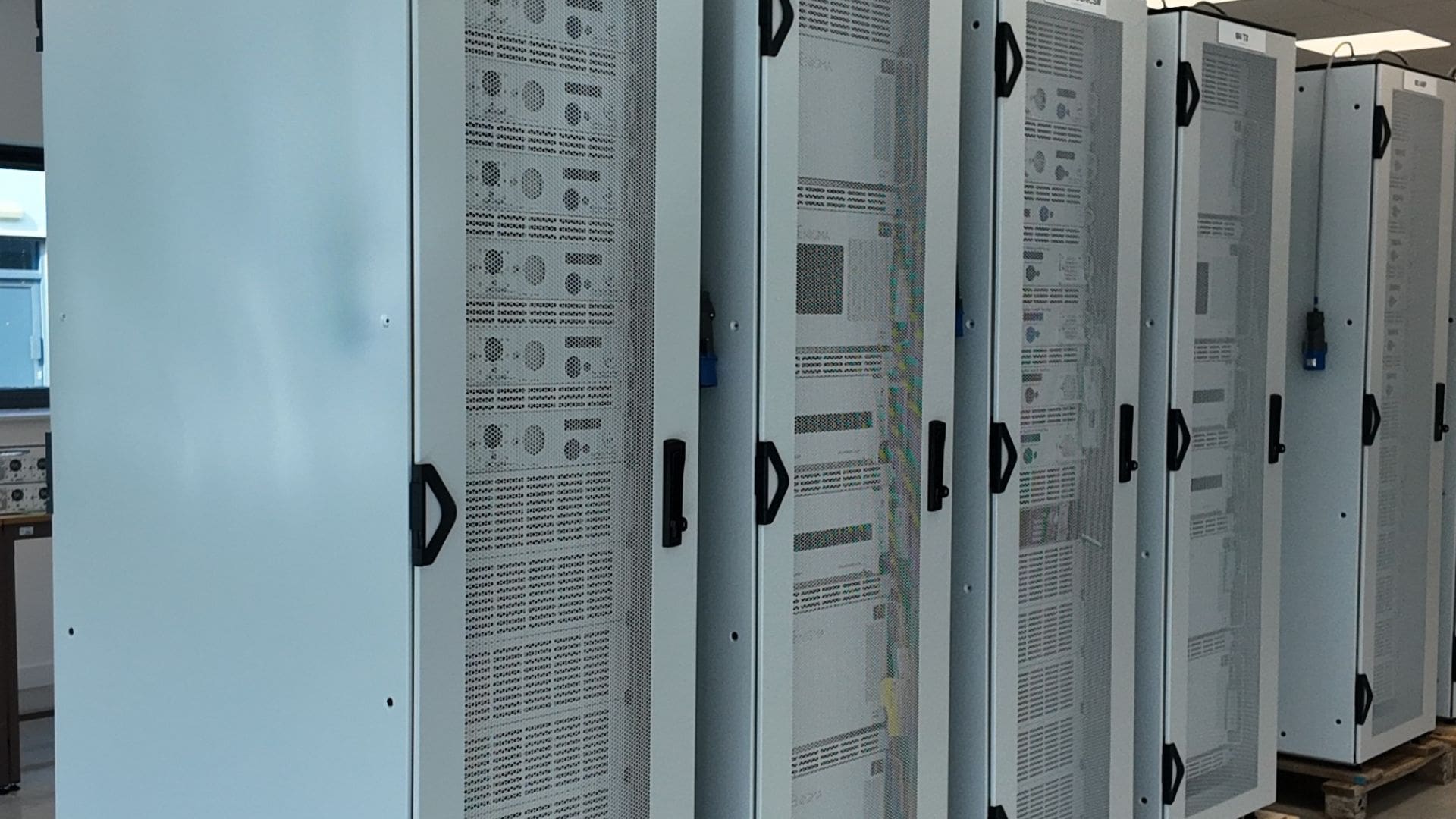

Commercial Satcoms
Commercial satellite communications are entering a new era of rapid growth driven by rising demand for multi‑band connectivity, the rapid expansion of new satellite constellations, and a shift toward higher‑frequency bands. This acceleration is reshaping expectations across the entire ecosystem.
The commercial satellite communications sector is entering a period of sustained, high-value growth, with global revenues forecast to rise at a CAGR of around 13% through the next decade. While the wider satellite communications market is expected to reach more than USD 100 billion, government services represent only a small fraction of this total, underscoring the scale of commercial investment and the growing disparity between government and commercial capabilities.
Four major shifts are now shaping the future of the industry:
- Convergence between government and commercial satcoms, as both sectors increasingly depend on shared infrastructure, multi-orbit networks, and interoperable services.
- The rapid rise of Ground Station as a Service (GSaaS), offering flexible, on-demand access to global ground networks and enabling more agile satellite operations.
- Market consolidation, with mergers and acquisitions creating larger, vertically-integrated players across both space and ground segments.
- A renewed focus on sovereign capability, as nations seek assured, secure satcoms infrastructure to support critical communications, defence resilience, and economic competitiveness.
Together, these trends signal a new phase for commercial satcoms, one defined by rapid expansion, structural change, and increasing strategic importance across both public and private sectors.
Featured products
Deployed in satellite ground stations around the world
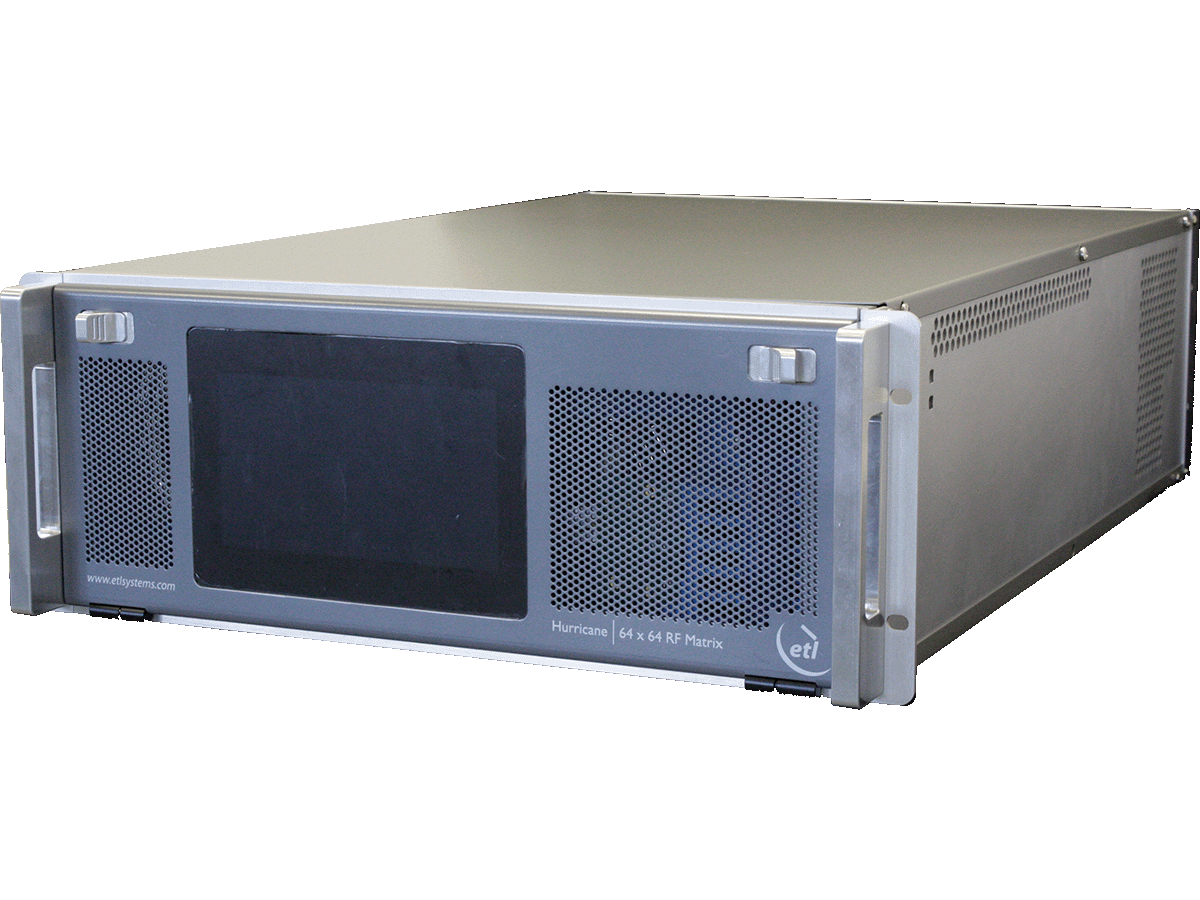
HUR-10
HURRICANE 64x64 distributive matrix
850-2450MHz extended L-band range, ultra-configurable model
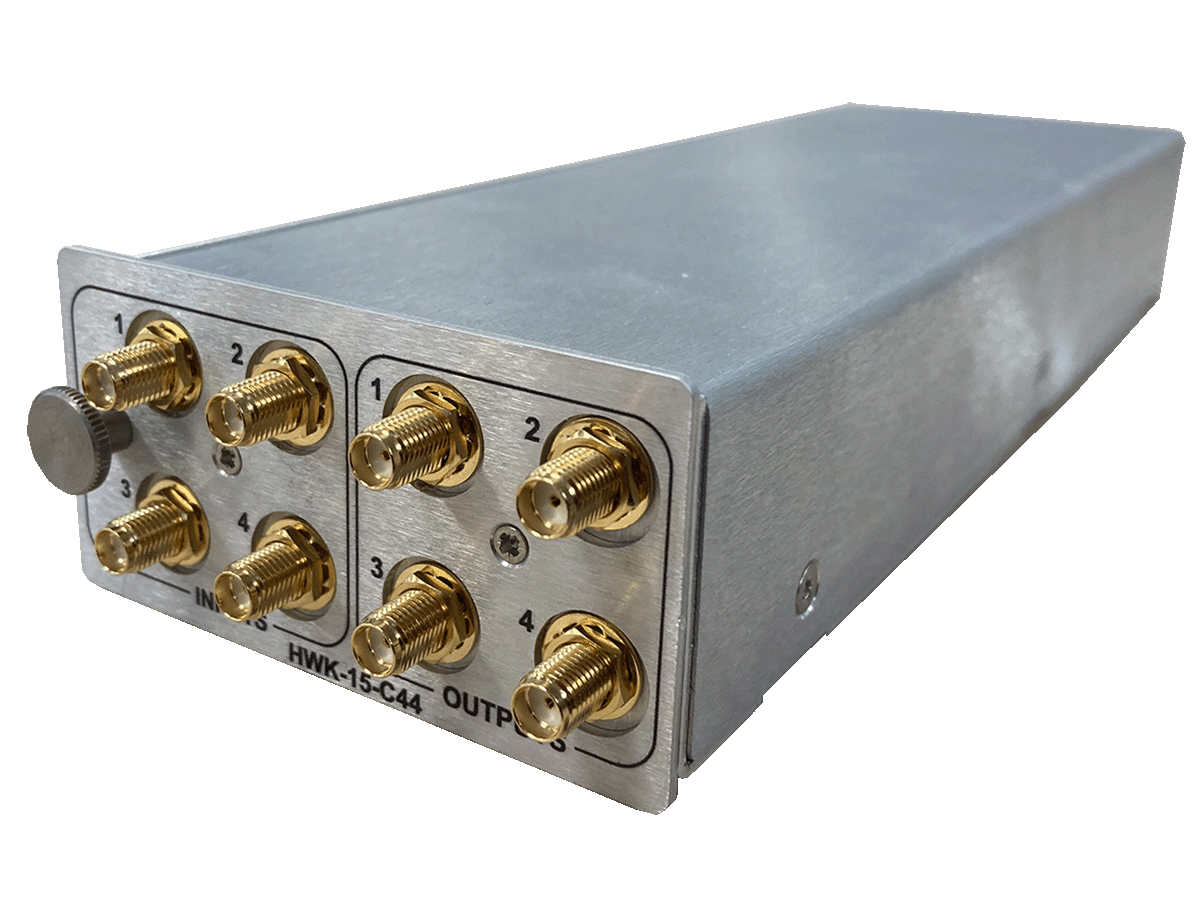
HWK-G1S-15-F44
HAWK 4x4 FIFO matrix module
500-3150MHz extended L-band range, with unity gain
HWK-G1S-15-D44
HAWK 4x4 distributive matrix module
500-3150MHz extended L-band range, with unity gain
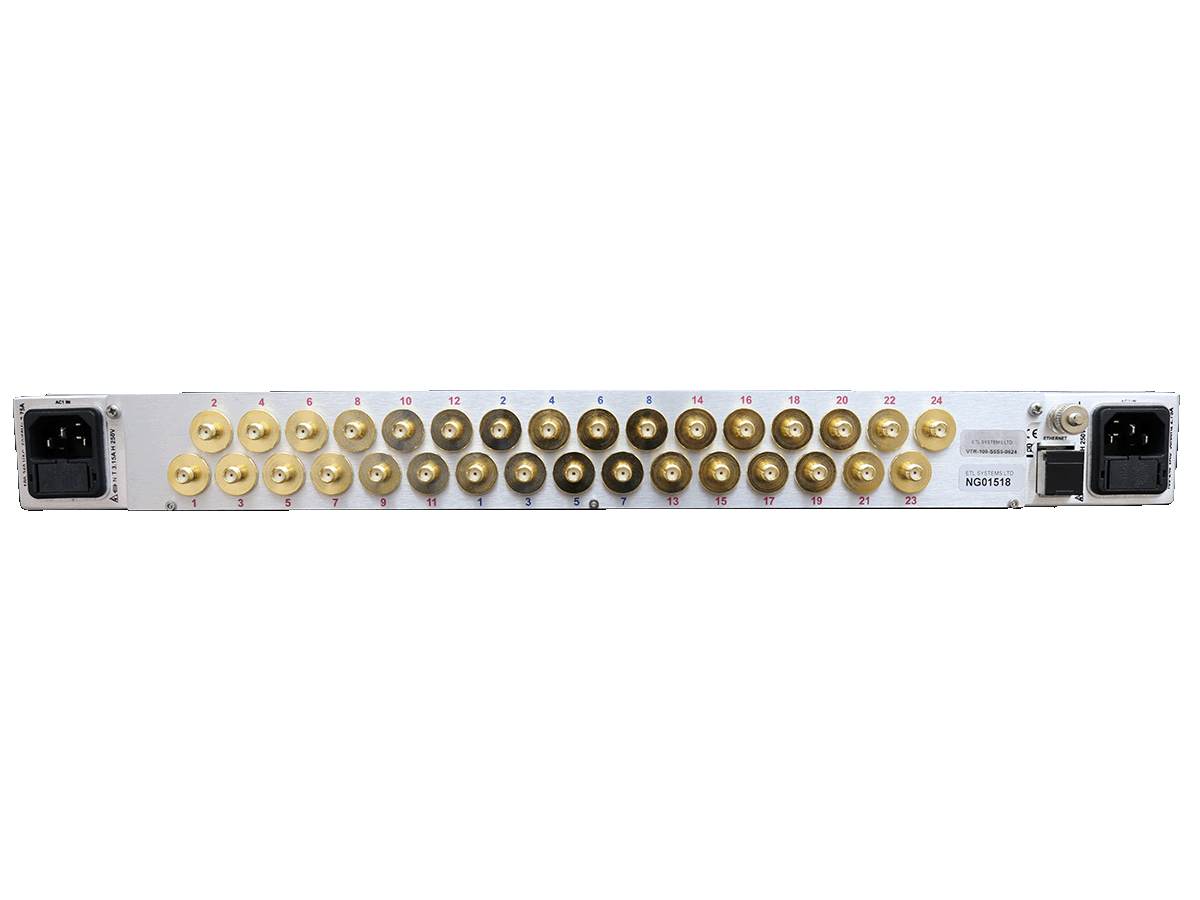
VTR-101-1616
VICTOR 16x16 distributive matrix
850-2450MHz extended L-band range, with variable gain
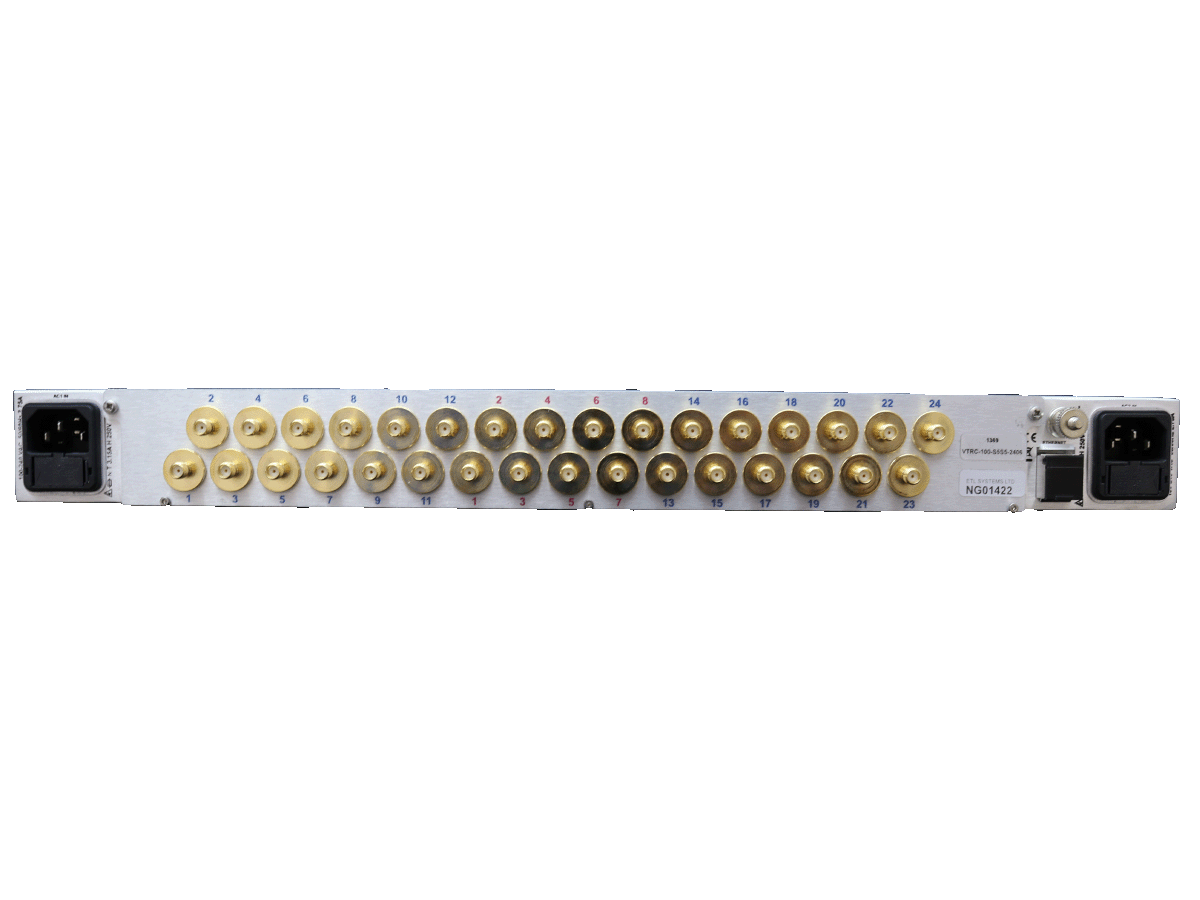
VTRC-102-XXXX-1616
VICTOR 16x16 combining matrix
850-2450MHz extended L-band range, with variable gain/RF detection
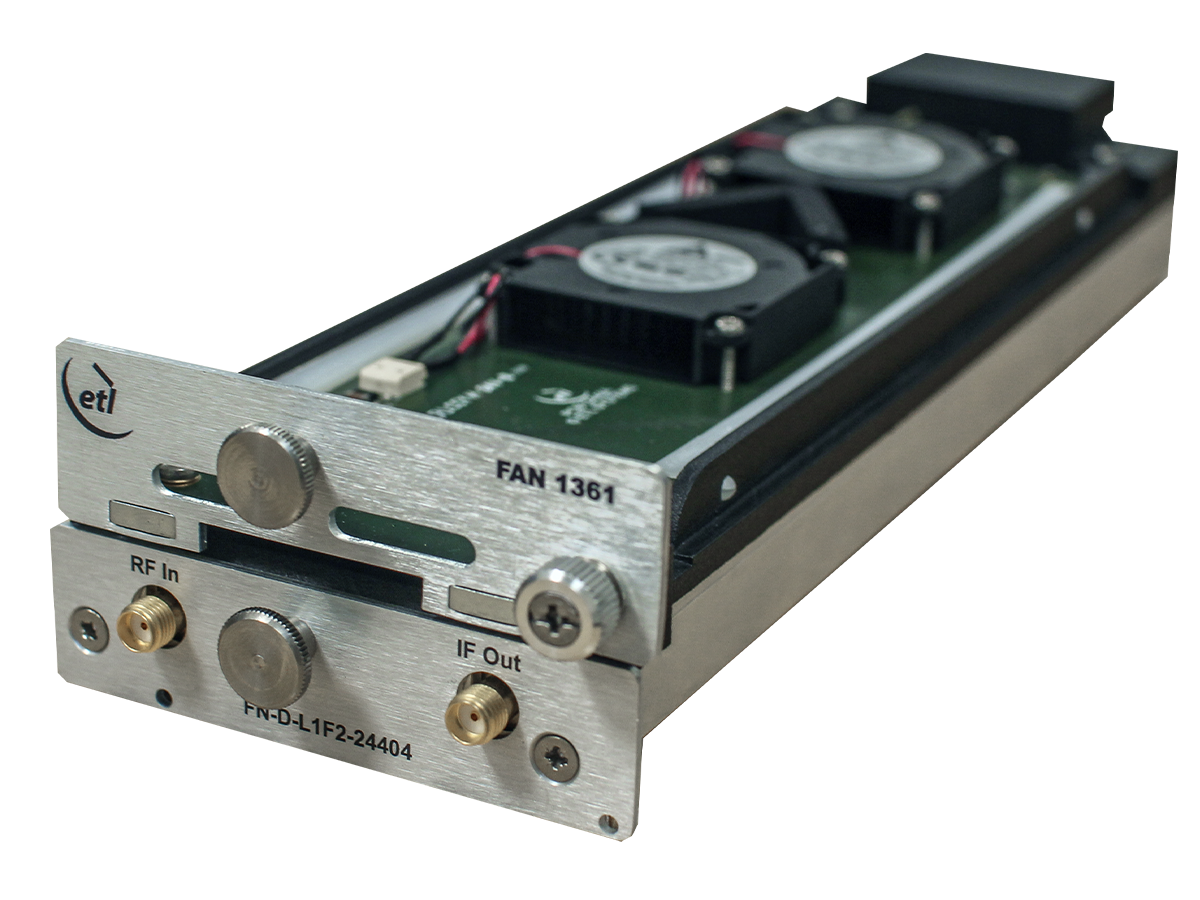
FN-D-K1L1-24400AA
Ku-band to L-band block downconverter
Falcon2 frequency converter for modular GENUS ecosystem; 10.7-12.75GHz to 1100-2150MHz
FN-U-KXL1-24474AA
L-band to Ka-band agile upconverter
Falcon2 frequency converter for modular GENUS ecosystem; 900-1500MHz to 22.55-23.15GHz
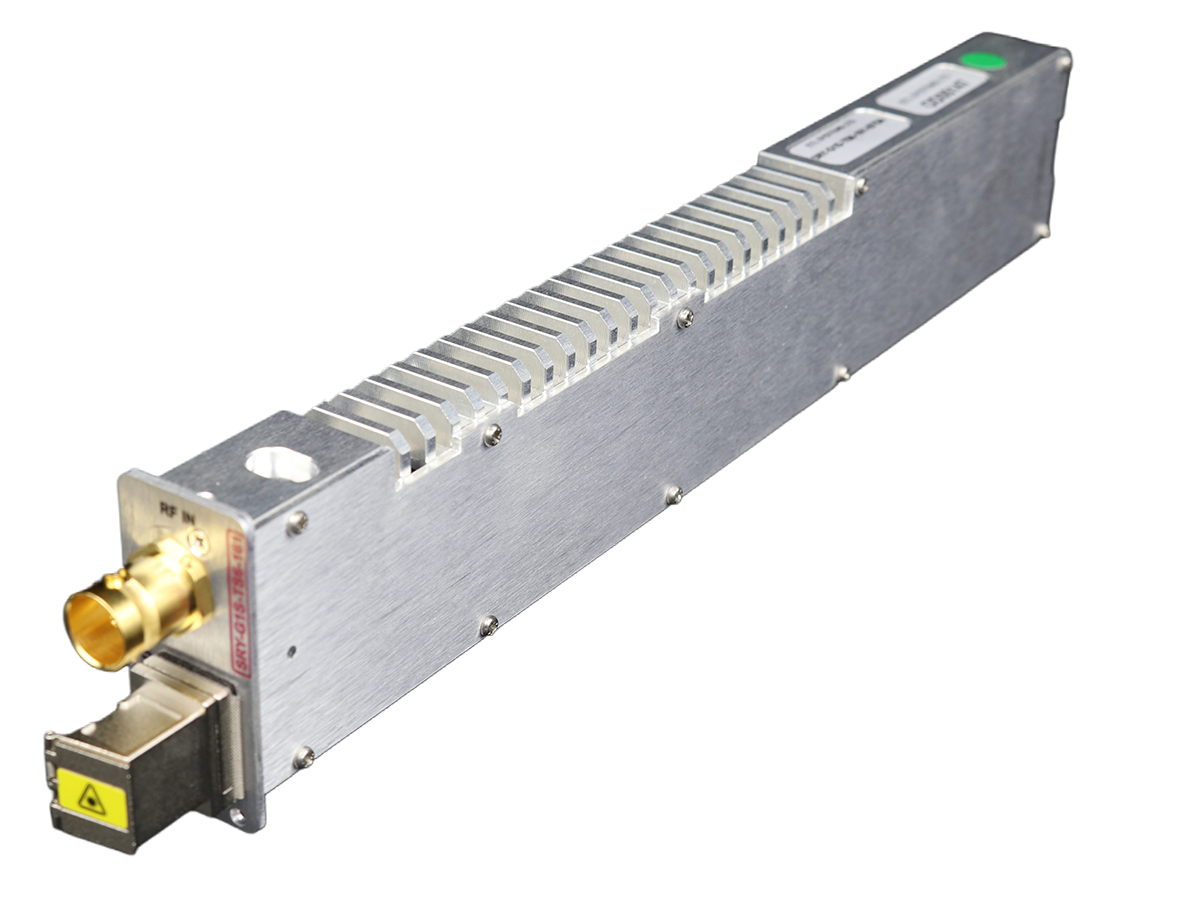
SRY-G1S-TS6-161
STINGRAY RF over Fibre S-band Tx module
For use with modular GENUS ecosystem; 500-3150MHz range, 1U module
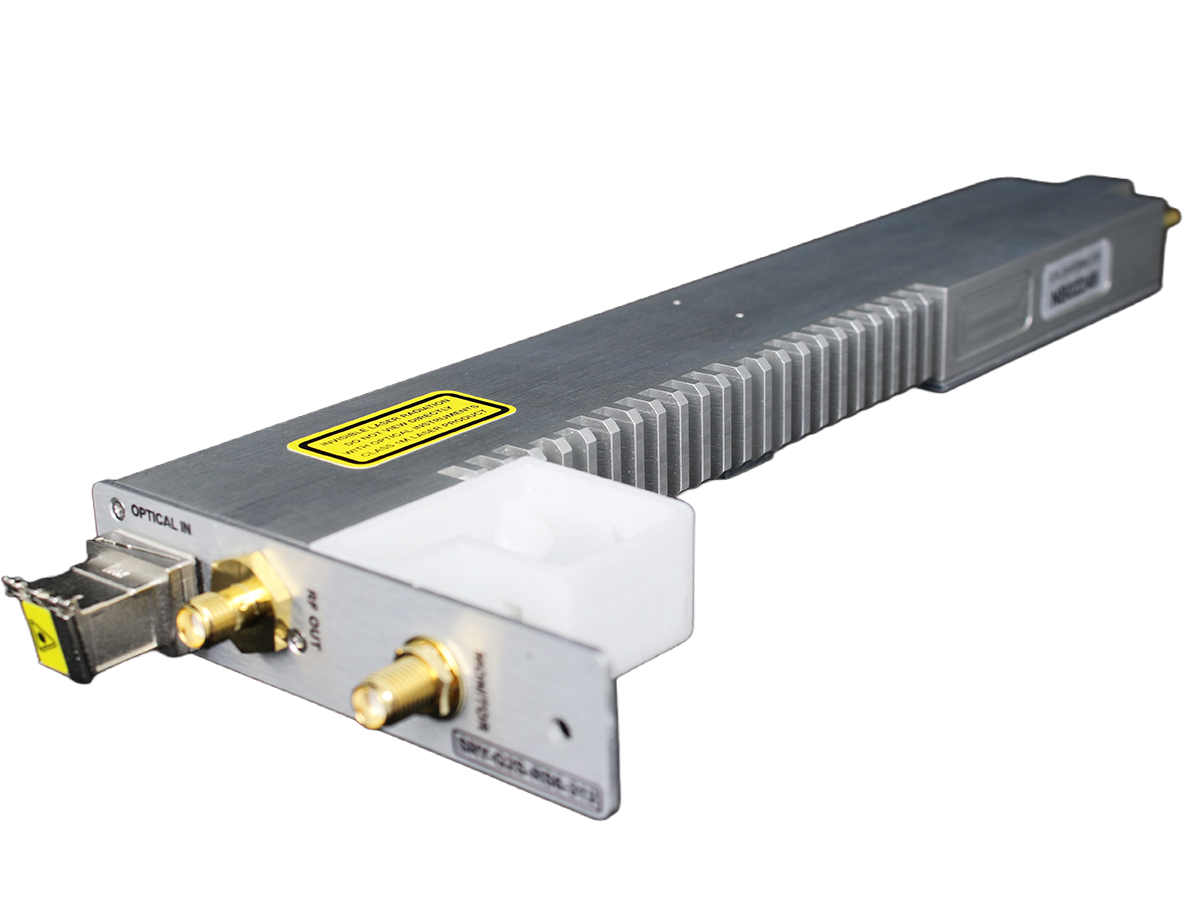
SRY-G2S-RS2-334
STINGRAY RF over Fibre L-band DWDM Rx module
For use with modular GENUS ecosystem, 850 - 2450MHz range, 2U DWDM module
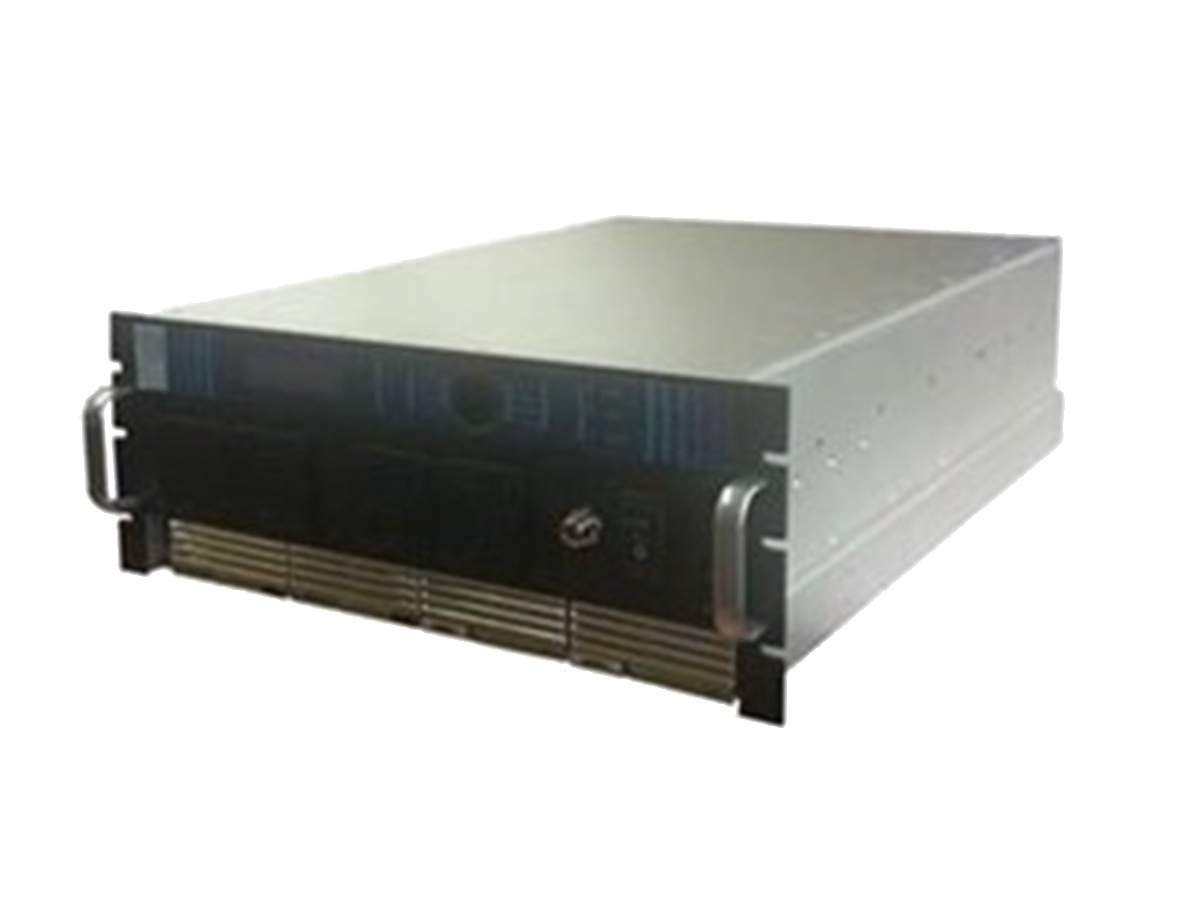
IPB-CB00625-RMSX
1800W C-Band Indoor SSPA
Super high power density GaN-powered indoor BUC/SSPA
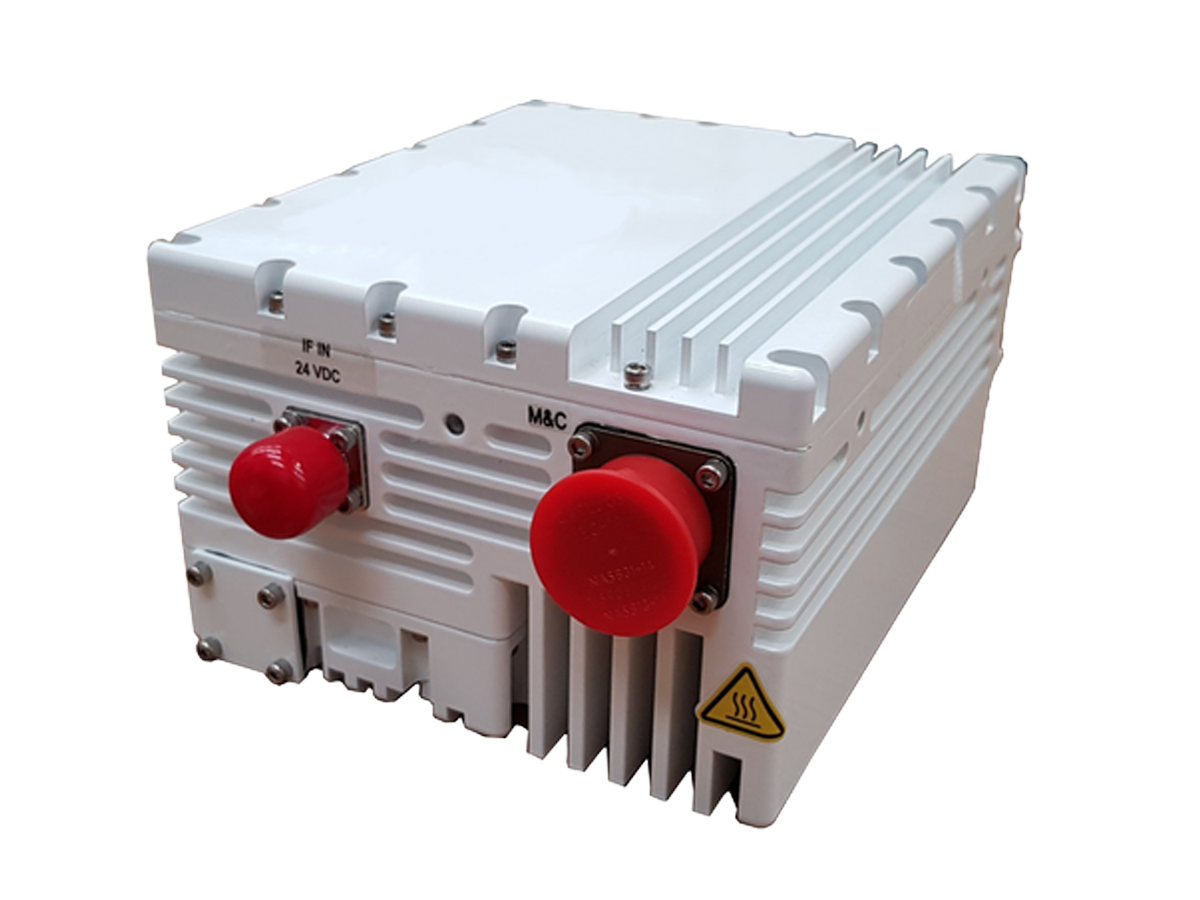
TPB-KUB0XXX-HMX
8W-16W Ku-band BUC/SSPA range
Ultra-compact GaN-powered outdoor BUC/SSPA
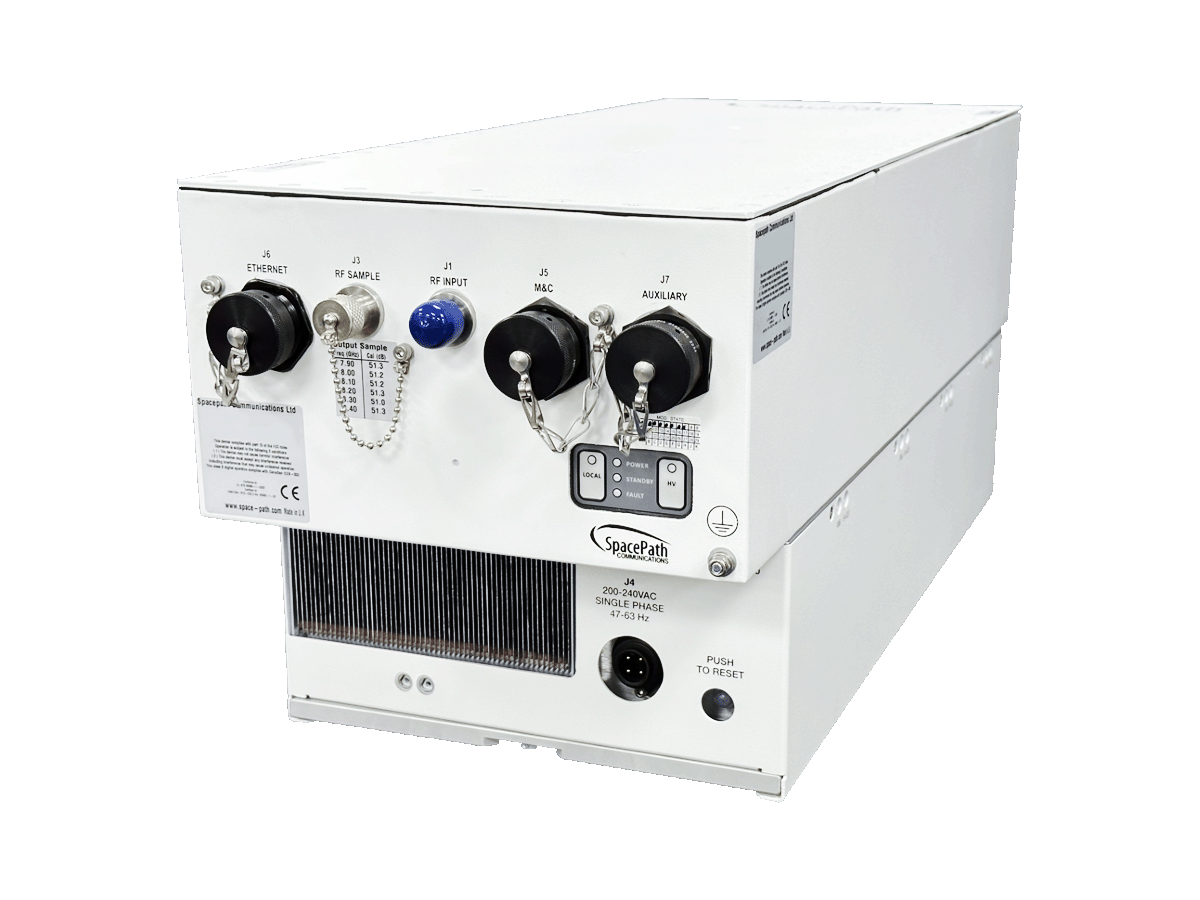
STA6275
SPACEPATH 750W X-band TWTA
With variable gain, optional BUC/lineariser and frequency range options
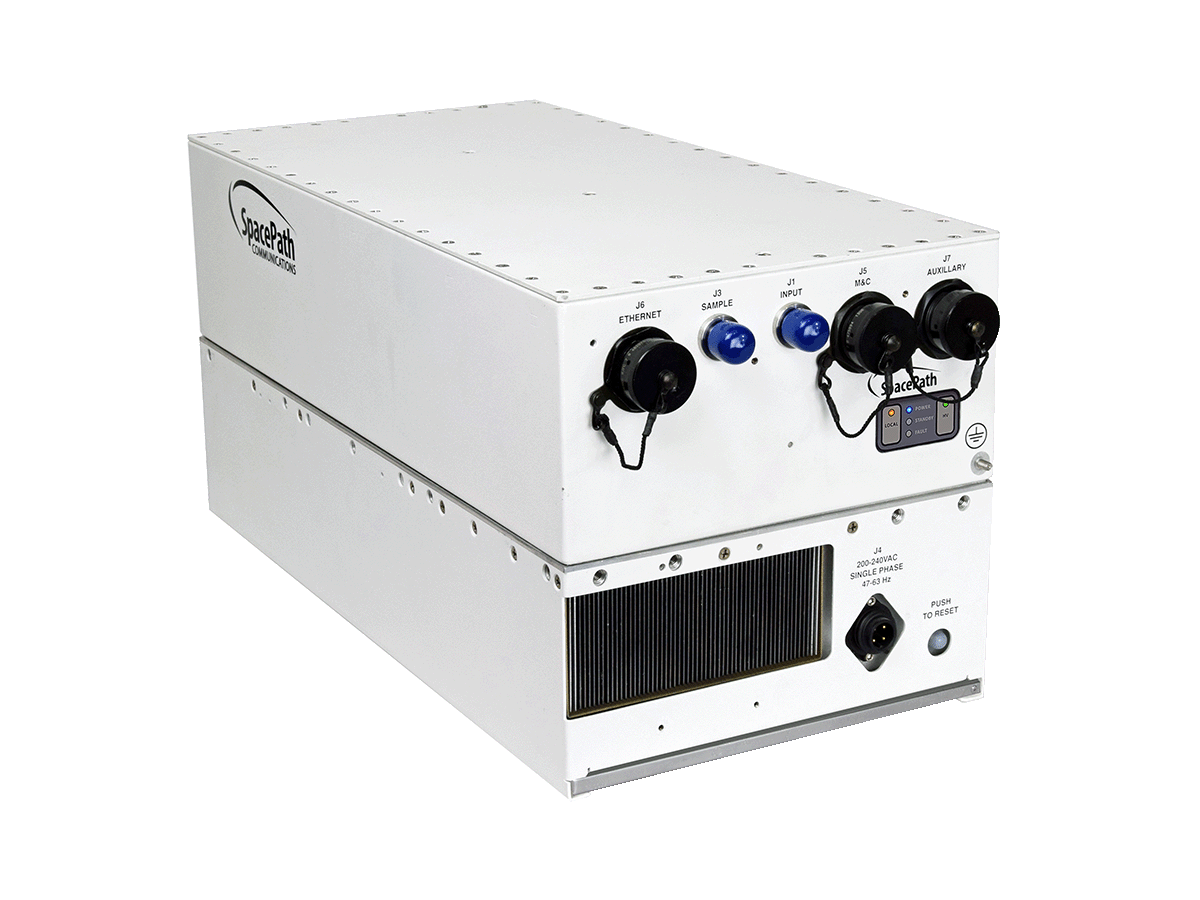
STA5475
SPACEPATH 750W DBS-band TWTA
With variable gain, optional BUC/lineariser and frequency range options
Reshaping the Global Ground Segment
The boundary between government and commercial satcoms is thinning. Fast growth in data volumes, the rise of large LEO constellations, mounting cost and scale pressures, and heightened geopolitical tensions are pushing both sectors towards shared architectures and more collaborative operating models.
This convergence is already visible in the adoption of hybrid strategies, where government users blend sovereign systems with commercial capacity to achieve greater flexibility and resilience.
The approach taken by organisations such as the US Space Force—integrating commercial services into defence communications workflows—is becoming a template for modern satellite communications planning worldwide. Commercial operators are in turn increasingly designing services that can slot directly into defence‑grade environments, from multi‑orbit connectivity to cloud‑enabled ground‑station access.
However, this shift also exposes structural vulnerabilities within the commercial ground segment. As reliance on commercial infrastructure grows, so too does the need for higher resilience, stronger security standards, and assured continuity of service—particularly for mission‑critical applications.
ETL’s long heritage in supporting high‑reliability, defence‑aligned ground systems places it firmly within this evolving landscape. With a track record in delivering secure, resilient, and mission‑critical RF infrastructure, ETL helps ensure that the commercial ground segment can meet the rising expectations of both government and commercial operators as convergence accelerates.
GSaaS has rapidly become a defining feature of the modern satellite communications ecosystem. By offering pay‑as‑you‑use access to global ground station networks, GSaaS shifts operators away from heavy CAPEX investment towards more flexible OPEX models. This approach provides instant scalability, worldwide coverage, and the ability to downlink data wherever and whenever it is needed without the cost or complexity of building dedicated infrastructure.
GSaaS has been embraced most strongly by New Space operators, earth‑observation missions requiring frequent downlink windows, and government users seeking surge capacity during periods of heightened demand. For these missions, the ability to tap into a global ground network on demand is a significant operational advantage.
However, GSaaS is not a universal solution. While ideal for surge, redundancy, and non‑critical applications, it is less suited to mission‑critical defence or TT&C operations, where reliance on commercial infrastructure introduces familiar risks around availability, control, and security.
As GSaaS adoption grows, the resilience and security of the commercial ground segment become increasingly important. This is where ETL’s heritage in delivering mission‑critical, secure, and highly resilient RF infrastructure provides a strong foundation—helping ensure that even flexible, service‑based ground architectures can meet the reliability expectations of both commercial and government users.
The satcoms industry is experiencing one of its most active periods of consolidation, with mergers, acquisitions, and strategic partnerships reshaping the competitive landscape. Operators, service providers, and technology manufacturers are combining capabilities to achieve scale, reduce costs, and deliver more integrated solutions in response to rising bandwidth demand and increasingly complex multi-orbit architectures.
This consolidation wave is driven by several pressures:
- Price sensitivity, as operators seek efficiencies across both space and ground segments
- Integration demands, with customers expecting seamless, end-to-end systems rather than piecemeal components
- Reduced vendor diversity, which has direct implications for government procurement, resilience planning, and long-term supply assurance
Operators increasingly favour partners who can provide fully integrated, interoperable, and optimised RF chains. With more than three decades of engineering excellence, deployments in over 120 countries, and trusted relationships with 75% of NATO governments and all toptier satellite operators, ETL is now extending its expertise across the entire RF ecosystem.
An integrated ETL solution offers clear operational and commercial advantages:
- Centralised engineering and reduced design risk
- Simplified procurement and fewer vendor interfaces
- Guaranteed interoperability across analogue, digital, and hybrid architectures
- Optimised performance through cohesive product selection
- Faster deployment and reduced downtime via streamlined lifecycle management
- Single point-of-contact support across the full system lifecycle
Through a flexible, collaborative approach, ETL also supports CAPEX vs OPEX planning to ensure solutions align with long-term mission and budget requirements. As consolidation continues to reshape the satcoms sector, these integrated capabilities position ETL as a stable, future-ready partner in an increasingly concentrated market.
Growing geopolitical tensions and an increasingly contested space domain have pushed sovereign capability back to the forefront of national strategy. As risk‑tolerance thresholds fall, governments are reassessing their reliance on commercial infrastructure for critical communications, defence operations, and national resilience. Ensuring assured access to secure, sovereign satellite services is now seen as a core component of national security.
In response, many nations are tightening their approach to commercial engagement. Stricter access frameworks, ‘trusted vendor’ lists, and more rigorous security and resilience standards are becoming commonplace. At the same time, governments are investing heavily in sovereign satcoms programmes such as Europe’s IRIS² initiative or Australia’s renewed focus on national space capability to reduce long‑term dependency on external providers.
However, building sovereign systems takes time. Designing, funding, and deploying national constellations and ground infrastructure is a multi‑year endeavour. In the interim, commercial satcoms continues to fill capability gaps, providing surge capacity, global coverage, and operational flexibility while sovereign assets are developed.
This evolving landscape places new expectations on commercial providers: higher security standards, greater transparency, and infrastructure robust enough to support both national and commercial missions. It also reinforces the importance of trusted, resilient ground‑segment partners capable of meeting defence‑aligned requirements as governments transition toward greater sovereign control.
ETL brings more than three decades of engineering pedigree to the ground segment, with technology trusted by government, defence, and commercial operators worldwide. Our RF systems are designed for high performance, high security, and high resilience, making them ideally suited to the increasingly demanding requirements of today’s missions.
ETL’s solutions integrate seamlessly into GSaaS and cloud-enabled architectures, with platforms like GENUS built for flexibility, scalability, and multisite operation. As ground segments become more software-defined, ETL is advancing digital IF to deliver cleaner signal transport, simpler routing, and smooth integration with virtualised processing. These capabilities enable distributed networks, dynamic missions, and automated orchestration. And as GSaaS expands, operators need RF infrastructure that adapts quickly to changing routes and mission loads, strengths ETL delivers by design.
But our values extend well beyond the hardware. ETL’s engineering teams work closely with customers to design, optimise, and integrate complete RF chains, ensuring every system is tailored to its operational environment. This expertise enables us to support bespoke hybrid architectures, combining sovereign assets, commercial capacity, and GSaaS services into coherent, resilient ground‑segment solutions.
Whether supporting national programmes, commercial teleports, or next‑generation GSaaS networks, ETL provides the technical assurance, interoperability, and mission‑ready reliability required to keep ground operations running with confidence.




Engineered for Reliable RF Performance
Every RF environment is unique. Our expert engineers design and manufacture systems tailored to your specifications — ensuring unmatched scalability, reliability, and performance.