
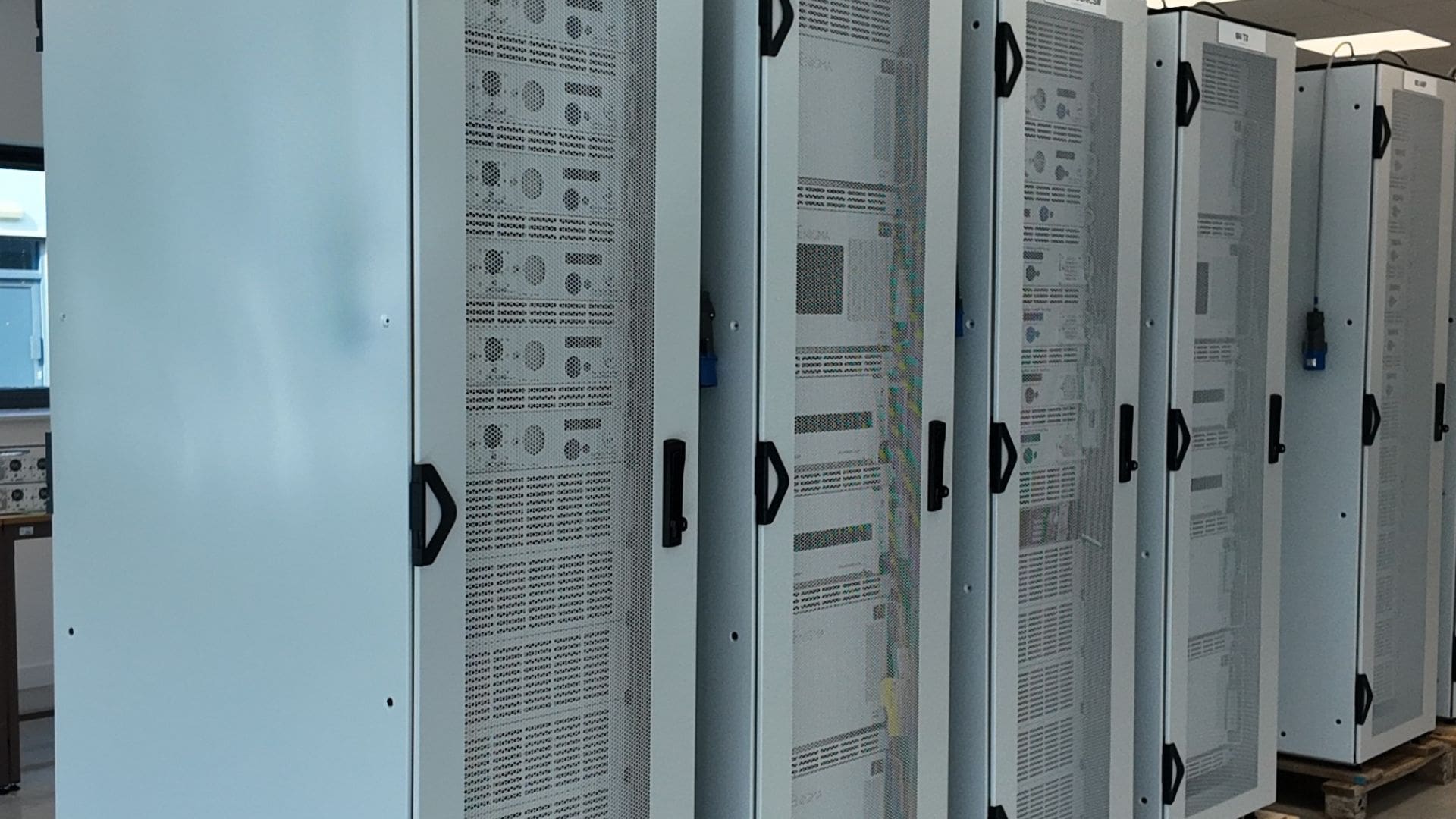

High Throughput Satellite (HTS) Infrastructure
High throughput satellites (HTS) use spot beams and frequency reuse to deliver many times the capacity of a conventional satellite. All of that capacity has to land on the ground, and ETL Systems builds the RF infrastructure that handles it.
High Throughput Satellites (HTS) are reshaping how we think about satellite communications on the ground. By delivering significantly higher capacity through frequency reuse and beamforming, HTS is bringing satcoms to new markets. However, it is also bringing to bear new demands on the ground segment.

The HTS Ground Segment
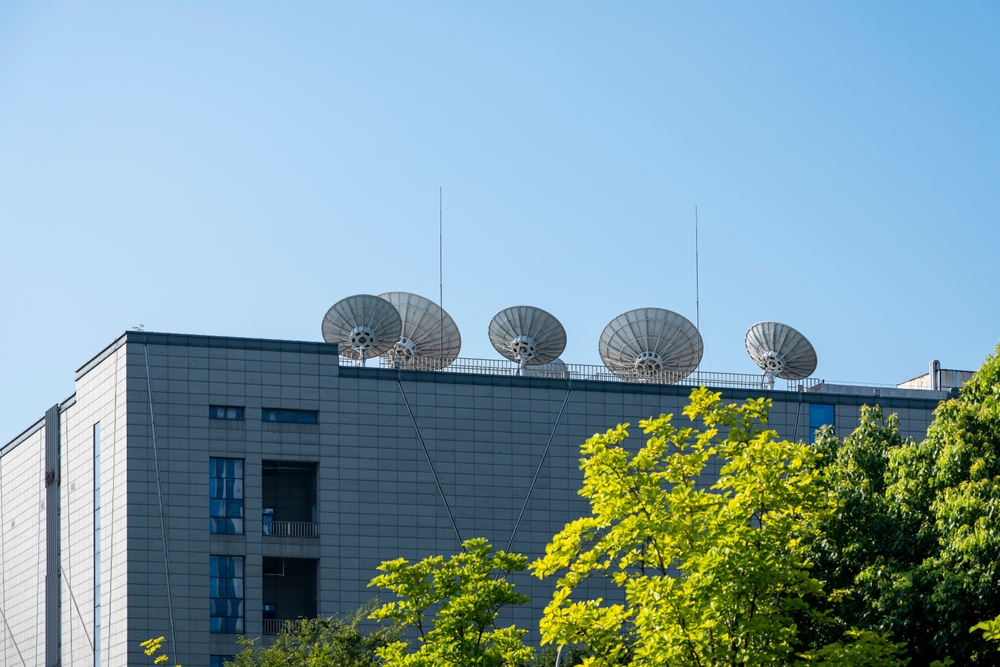
Traditional architectures, designed to service GEO satellites, are less optimal when supporting the large numbers of beams and smaller gateways critical to HTS. Next-generation ground stations need to offer flexible, distributed signal processing in a highly deployable format to enable rapid scaling. Digital intermediate frequency (Digital IF or RF over IP) transport and modular RF setups can support operators with tailored layouts able to scale on demand.

Operational Complexity
HTS also adds significantly to operational complexity, from performance monitoring to network orchestration. The ground segment needs to allow facilities to expand capacity in stages, flexing to scale alongside demand growth without requiring a huge capital injection in the formative stages to build in demand. Modularity is key to this flexible layering of capabilities as throughput evolves.

Adaptability is Critical
At the same time, the ground segment must be adaptable. It must accommodate architectures from dense teleport antenna hubs for GEO connections to remote or mobile installations for MEO/LEO constellations. Compact RF units and adaptable, configurable gateways ease deployment and integration challenges, reducing cost and infrastructure burdens for a lean, agile operating model suited to this new era of satcoms architectures.


Delivering on the promise
The leap in capacity and beam density made by HTS drives a new level of demand on the ground. It requires the modularity and flexibility to divide RF processing into scalable blocks, which can grow seamlessly with traffic and service demand. It needs compact, efficient hardware that integrates into evolving network topologies, ensuring developing organisations and established operators alike can develop lean, cost-effective business models. The ground segment is critical to helping operators deliver on the promise of HTS.
Featured products
Scalable, flexible RF signal processing for modern ground stations
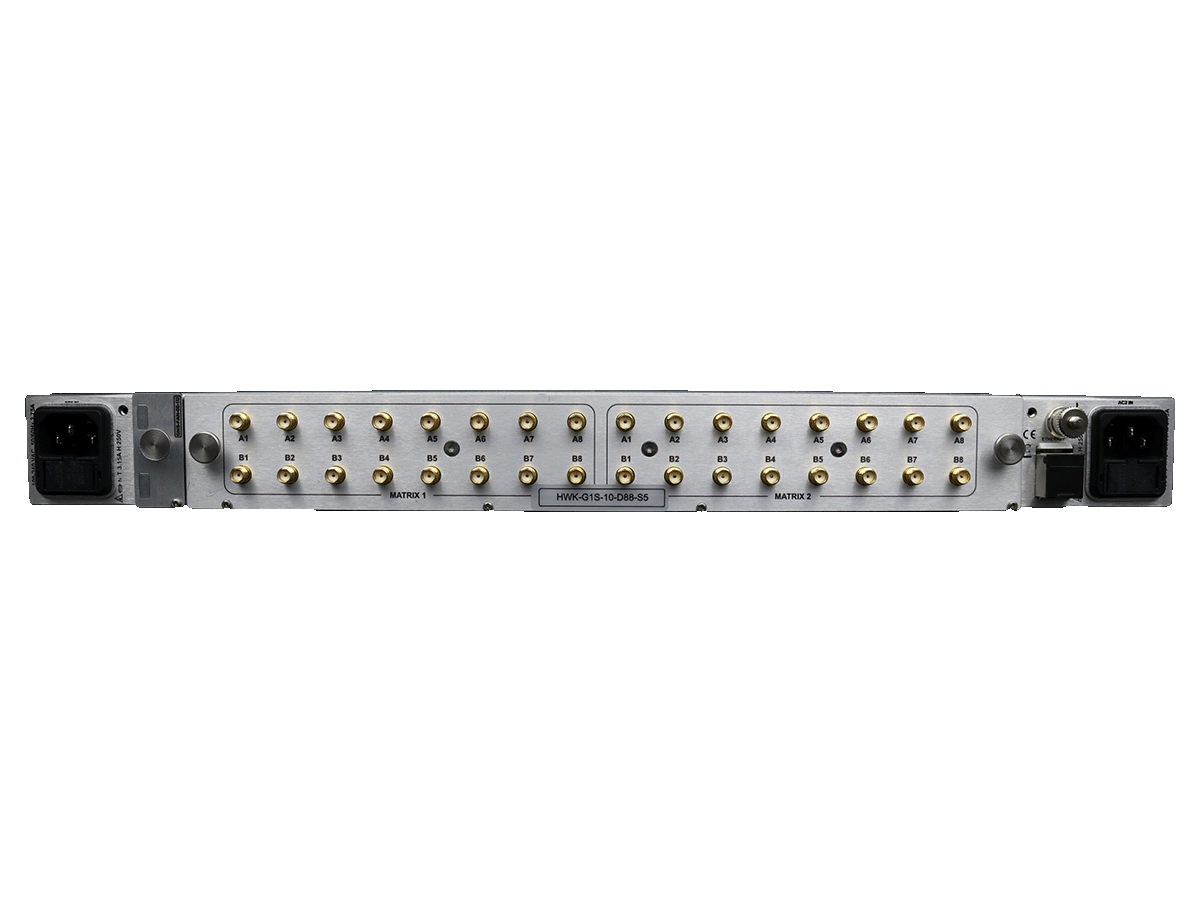
HWK-G1S-10-D88C88
HAWK 8x8 distributive & 8x8 combining matrix
500-2450MHz extended L-band range, with unity gain
FAQs
A high throughput satellite delivers far greater capacity than a conventional satellite by splitting its coverage into many narrow spot beams and reusing the same frequencies across beams that do not overlap. A single HTS can carry tens or hundreds of times the traffic of a traditional wide-beam satellite.
A conventional satellite covers a wide area with a few broad beams, so all users in that footprint share the same capacity. HTS divides the footprint into dozens or hundreds of spot beams, each carrying its own traffic, which multiplies total throughput without needing more spectrum.
More gateways, more antennas per site, and far more signal paths to route. Each beam needs its own carrier chain, which means dense RF distribution, flexible matrix switching between antennas and modems, and an architecture that can be expanded in stages rather than built out all at once.
Spot beams concentrate capacity, so the gateway feeder links carry much more traffic than under a wide-beam design. Operators distribute that load across multiple gateways, often in geographically separated locations, which also provides diversity against rain fade at Ka-band.
Digitising RF signals at the antenna lets them be transported over standard IP networks rather than coaxial cable, so gateway processing can sit anywhere on the network. For HTS, that makes it practical to add beams and capacity without rebuilding the physical RF plant each time.
Usually, yes, provided the RF distribution is modular. Chassis-based systems allow matrices, converters and fibre transport to be added incrementally as beams and traffic grow, rather than requiring a full replacement of the signal chain up front.
Engineered for Reliable RF Performance
Our expert engineers design and manufacture systems tailored to your specifications — ensuring unmatched scalability, reliability, and performance.