

Virtual Ground Segment
The satcoms industry is moving from fixed, hardware-centric ground stations towards the future flexible, software-defined platforms that treat RF as a packetised IP data stream.
ETL Systems is at the forefront of this shift, extending digital IF/RF over IP from the gateway into the field.
The evolving ground segment
Until now, RF distribution relief on cabled point-to-point links and dedicated hardware modems. Digitisation converts RF into timestamped I/Q packets that can be routed, processed, and stored by IP infrastructure. This decouples modem functions and ancillary services and enables them to be realised as virtual network functions (VNFs) on COTS servers or in the cloud. Ultimately, the movement will transform the future ground segment into a software platform rather than the hardware-heavy setup of today.


Cost and scale efficiencies
By digitising RF at the antenna/hub, a single digitiser can serve multiple software-defined modems and waveforms. This reduces rack space requirements, power, and logistical efforts, enabling resource pooling across customers and missions. For operators, it will lower the CAPEX requirements to build/relocate communications hubs and streamline hardware procurement and operation.
Satcoms in the cyber realm
When RF becomes IP, encryption, traffic management, interference detection and more can be integrated as VNFs within the same orchestration framework used for modems. That makes it simpler to enforce policy, maintain records, and apply approved, sovereign cryptographic boundaries between trust zones.

Where we are today
To realise the future virtual ground segment, the satcoms industry needs key foundational elements in place. Aside from appropriately designed networks and unified timing/synchronisation protocols, interoperable digital IF standards will be a critical enabler.
Standards such as DIFI define how RF is packetised, including signal, context, and command structures, enabling accurate reconstruction across distributed systems, agnostic of supplier. Robust timing and control of factors like latency and jitter will also be critical to maintaining signal integrity.
The ecosystem is maturing steadily: interoperability testing like that which takes place at the DIFI PlugFest is advancing, and multi-vendor deployments are becoming realistic.
Featured products
For land mobility applications across all sectors.
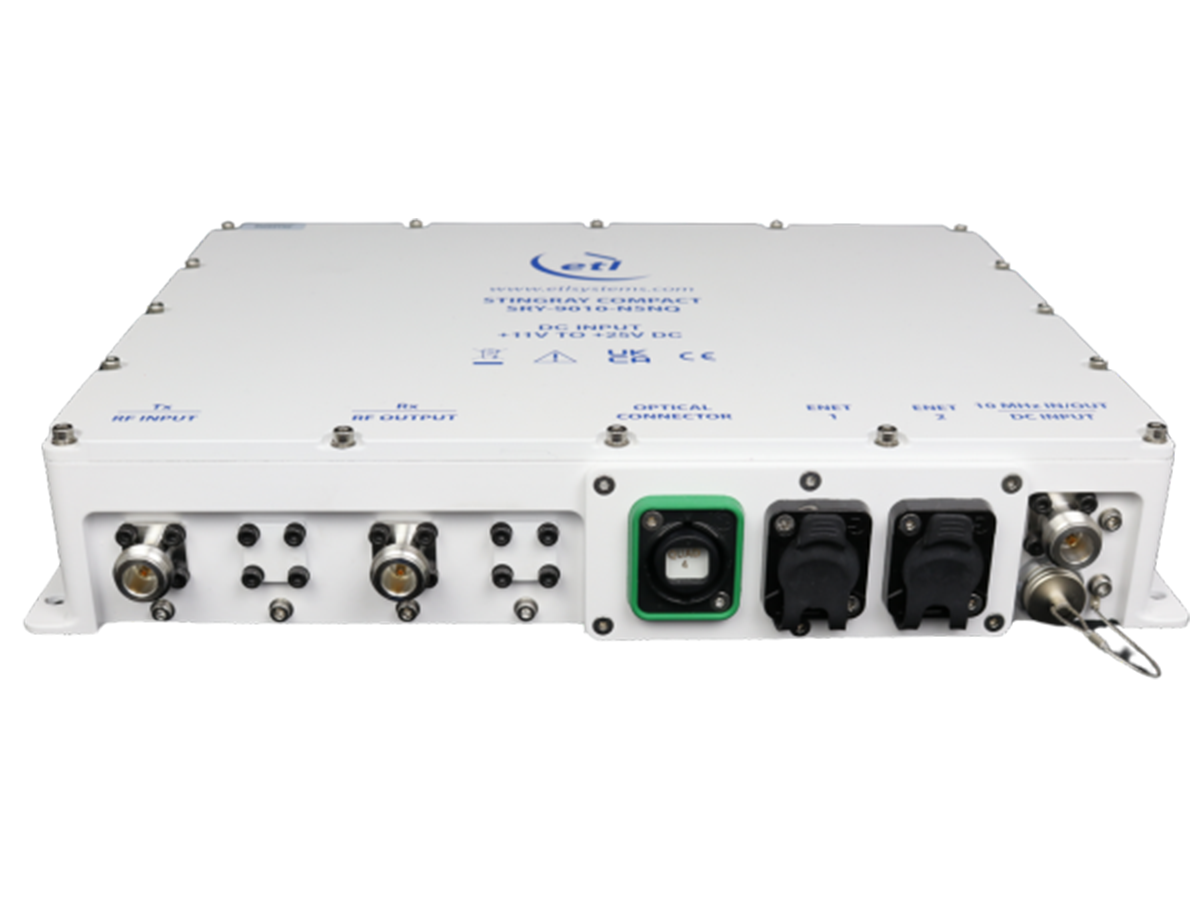
SRY-1T1R-9010-N5NQ
STINGRAY Compact RF over Fibre ODU
Single L-band Tx & Rx with optical 10MHz Rx & Ethernet in ODU housing
SRY-1T1R-9510-N5NQ
STINGRAY Compact RF over Fibre IDU
Single L-band Tx & Rx with optical 10MHz Rx & Ethernet in IDU housing
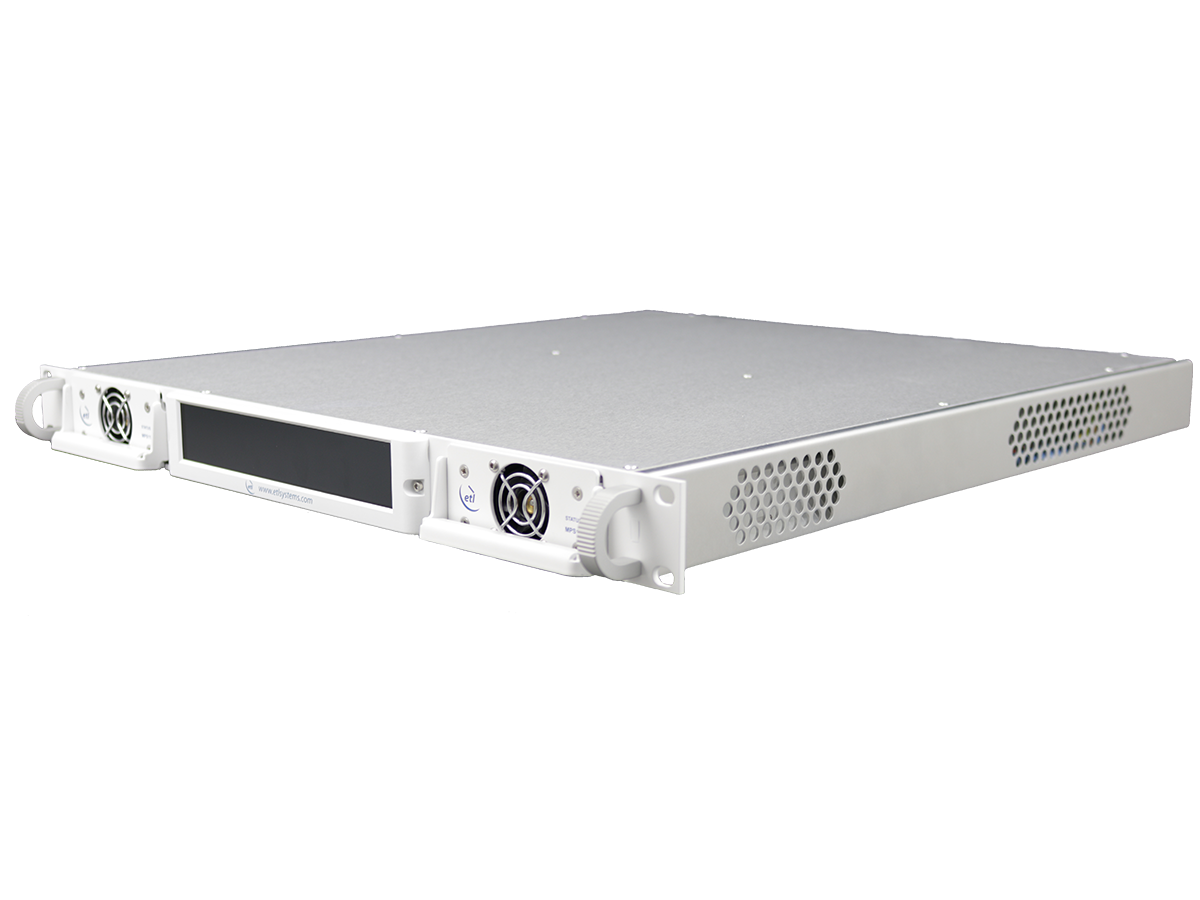
GNS-196-1U
GENUS 1U modular chassis
1U chassis for modular GENUS ecosystem, with 10MHz internal reference
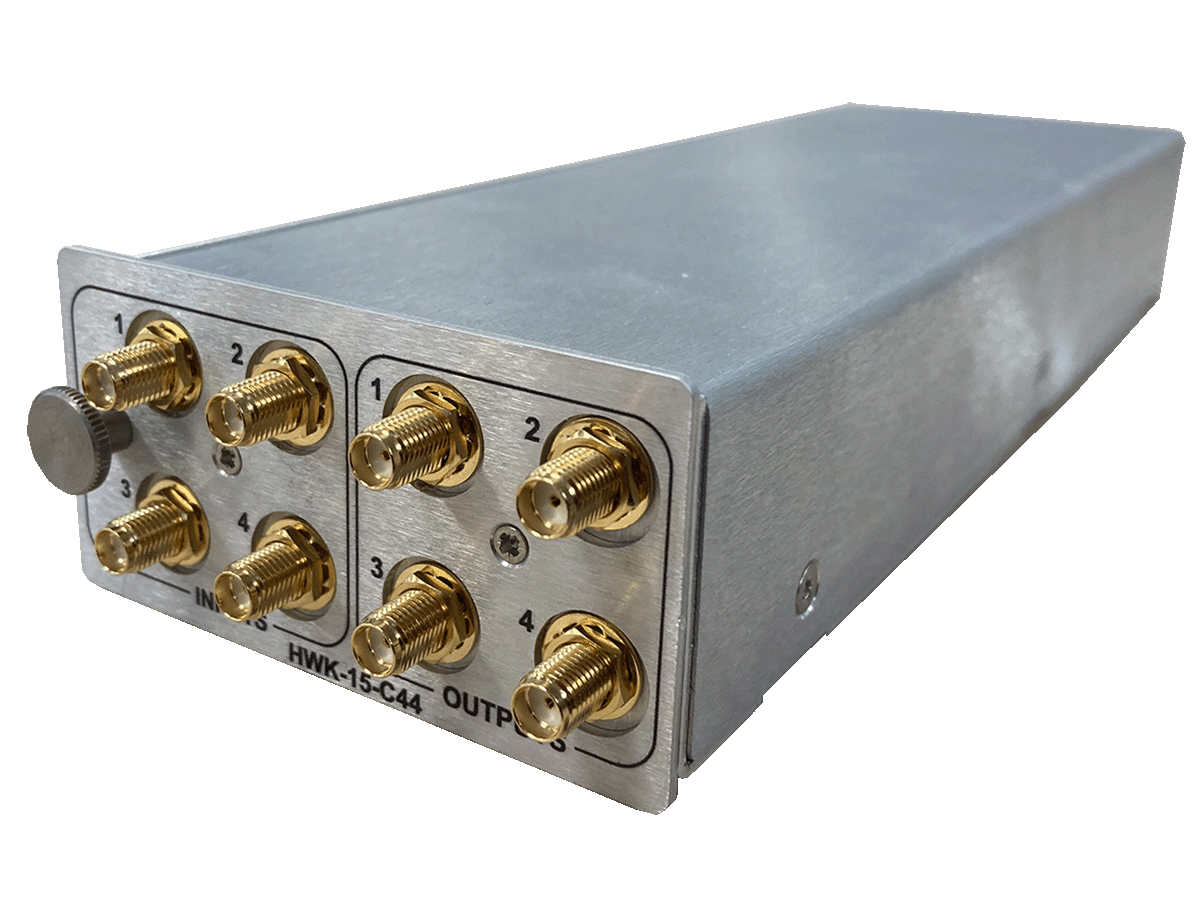
HWK-G1S-15-F44
HAWK 4x4 FIFO matrix module
500-3150MHz extended L-band range, with unity gain

Engineered for Reliable RF Performance
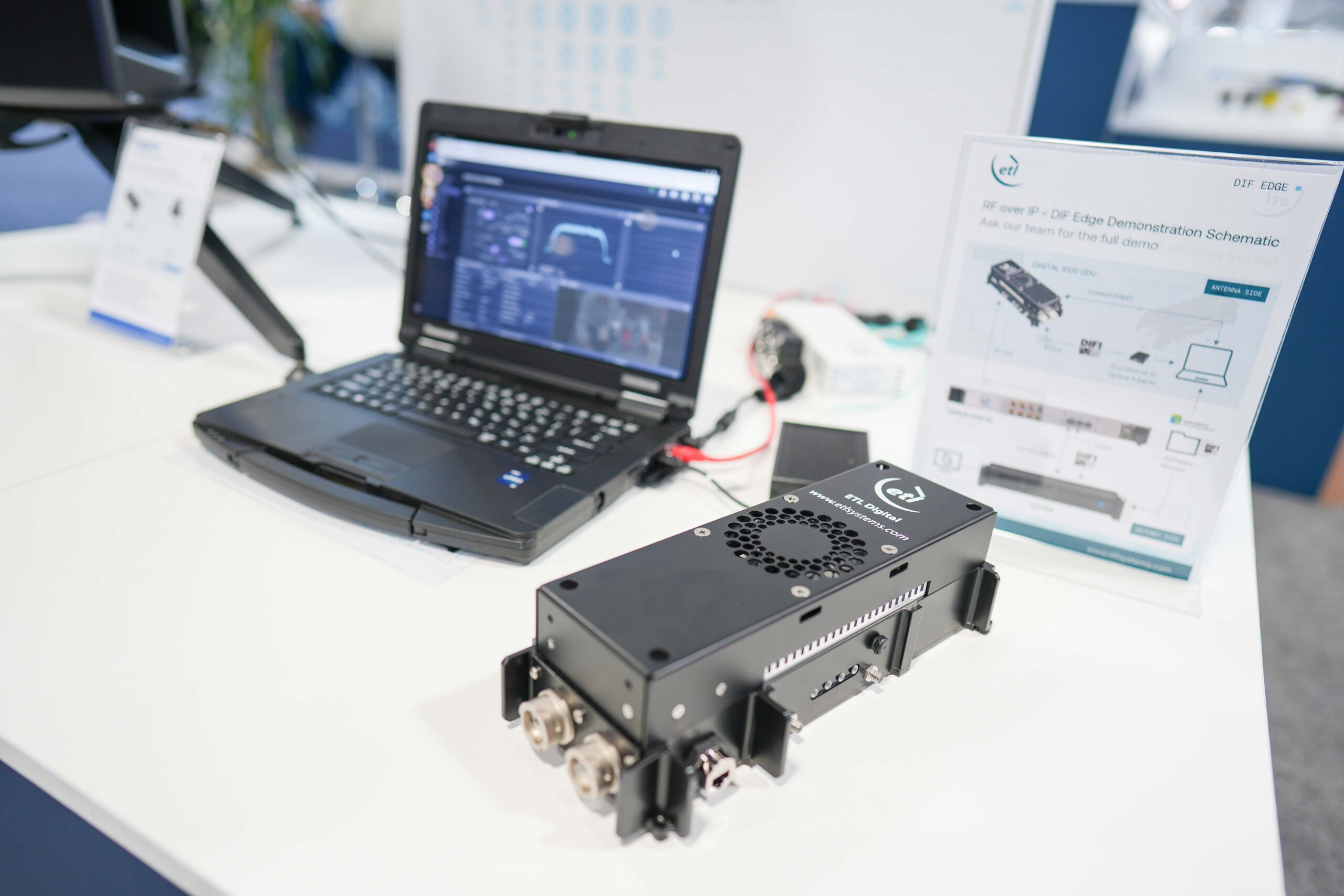
Proven platforms such as ETL’s GENUS DIGITAL range demonstrate that virtualised ground architectures are not just future theoretical concepts, but can be realised today. Get in touch with our team of digital IF experts to find out more about how RF over IP can serve your network.